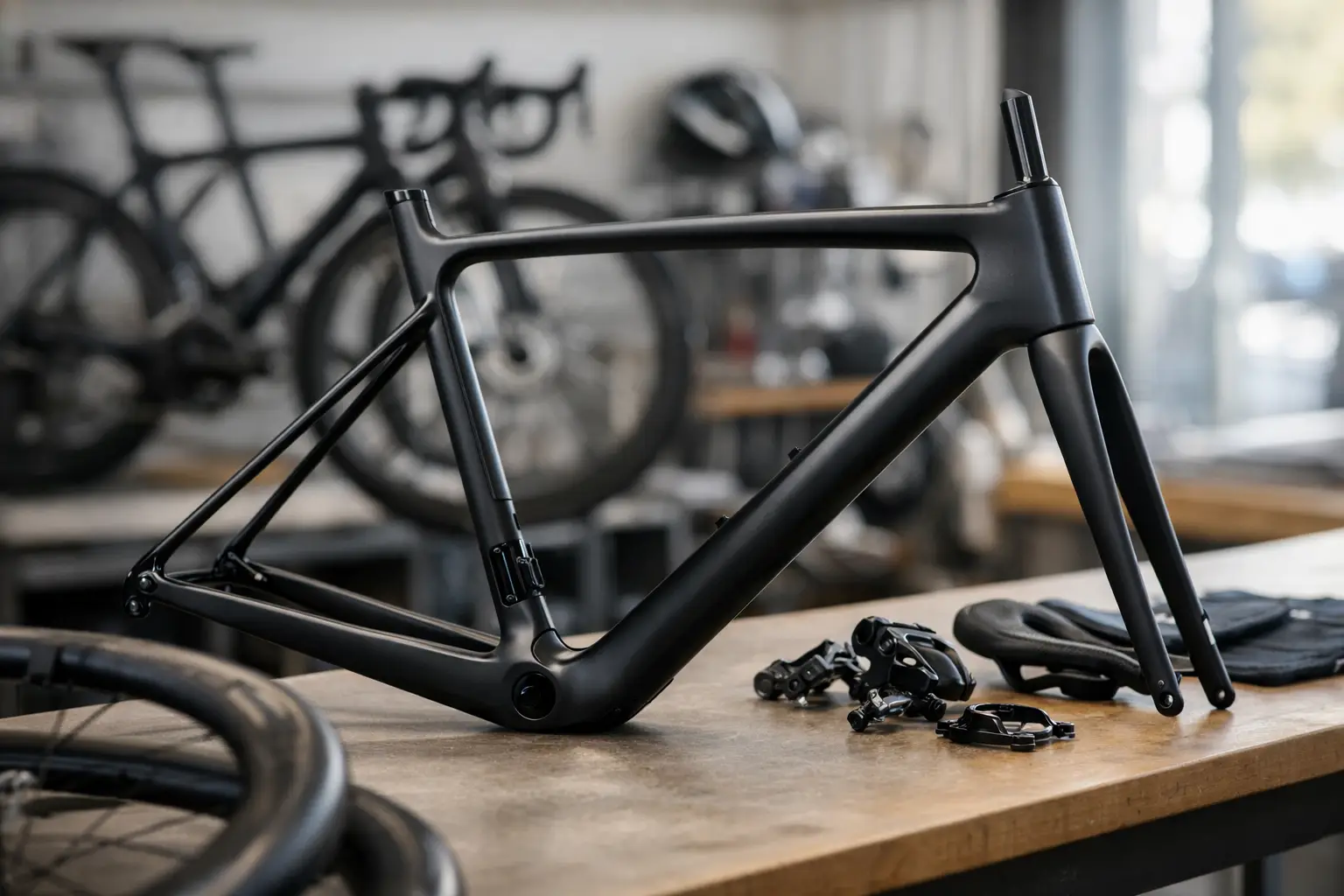
A fast build usually starts long before the wheels go in and the bars are wrapped. The road race bike frameset is the part that decides how the whole bike will feel under load, through corners, on steep gradients and in the final hour when your legs are no longer masking a poor fit. Get it right and every other component choice makes more sense. Get it wrong and even an expensive build can feel slightly off.
For serious riders, a frameset is not just a frame and fork in a box. It is the foundation of the bike’s handling, stiffness balance, tyre clearance, fit range and upgrade potential. If you are building for road racing, fast club rides or hard training blocks, it pays to look beyond claimed weight and paint finish. Speed matters, but so does how that speed is delivered.
What a road race bike frameset really needs to do
A proper race frameset has a simple brief – transfer power cleanly, hold a precise line and keep the rider in an efficient position for longer than comfort-first endurance geometry would usually allow. That does not mean every race frame should feel harsh or nervous. The best modern designs are fast without becoming tiring, and stiff without feeling dead on ordinary roads.
This is where the details matter. Bottom bracket stiffness influences how the bike responds when you sprint or kick over a rise. Front-end precision affects confidence in fast descents and technical corners. Seat tube shaping, dropped stays and lay-up tuning can take the edge off rough tarmac without turning the bike into an all-day sportive machine. The strongest framesets balance these traits rather than chasing one number in isolation.
If you are comparing premium options, expect most of them to perform at a high level. The real differences often come from geometry, fit and intended use. Some are built for pure bunch racing and aggressive positioning. Others keep the race feel but leave a little more room for tyre width and slightly friendlier stack-to-reach numbers.
Road race bike frameset geometry matters more than marketing
When riders say a frame feels fast, they are often describing geometry as much as material. A frame can be light, aerodynamic and expensive, yet still feel wrong if the shape does not suit your position or handling preference.
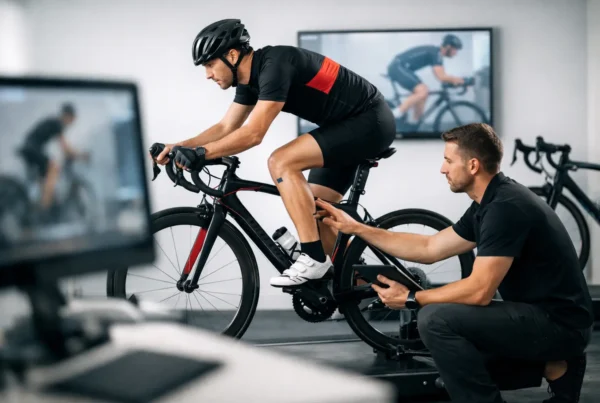
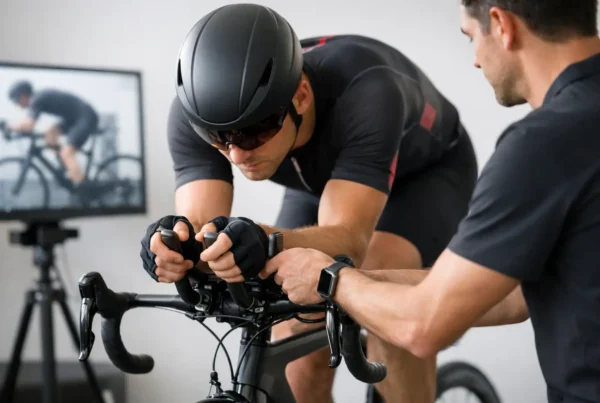
Reach and stack should be your starting point. A lower stack and longer reach generally support a more aggressive fit, but not every rider should force themselves into a pro-style position. If you need a tower of spacers or an unusually short stem to make a frame work, it is probably not the right place to begin. A clean build with sensible contact point adjustment tends to ride better and look better.
Head tube angle, fork rake and wheelbase influence steering character. Race-focused bikes usually steer more directly, which is exactly what many experienced riders want in fast bunch riding or criterium-style efforts. That said, highly reactive handling can feel demanding if most of your riding is solo on mixed road surfaces. There is no single best setup, only the one that suits how and where you ride.
Chainstay length also deserves attention. Shorter rear ends can make a bike feel more urgent when accelerating, while slightly longer stays can add composure. On a frameset aimed at modern road racing, small changes here can alter the bike’s character more than most buyers expect.
Carbon lay-up, stiffness and ride quality
In the premium market, carbon dominates for good reason. It allows brands to tune stiffness and compliance in different parts of the frame in a way that aluminium rarely can at the same performance level. But carbon is not one thing. Two road race framesets can use similar shapes and still ride very differently because of how the layers are arranged and reinforced.
A well-designed carbon race frame should feel solid around the bottom bracket and front triangle, especially under hard acceleration. At the same time, it should not punish you over every patch of rough road. That balance is one of the clearest signs that you are looking at a serious performance product rather than a frame built to hit a headline weight figure.
There is also a point where extra stiffness stops being useful for most riders. Elite sprinters and very powerful racers can benefit from an ultra-rigid platform, but many riders are quicker on a bike that offers a touch more forgiveness because they stay fresher and corner with more confidence. Race performance is rarely about one explosive effort. It is about repeating efforts while holding speed.
Aero versus lightweight is not a simple choice
A few years ago, buyers often had to choose between a lightweight climber and a deep-section aero race frame. That line is less clear now. Many modern road race bike frameset designs aim to do both reasonably well, with truncated tube profiles, integrated cockpits and competitive frame weights.
Still, the trade-offs have not disappeared. Aero-focused frames tend to reward fast average speeds, exposed roads and strong riders who can keep pressure on the pedals. They can also bring a firmer feel, more proprietary parts and less freedom when changing cockpit setup. Lightweight frames often feel more lively on rolling terrain and long climbs, and some are easier to build and adjust.
If your riding includes racing, chain gangs and high-speed road sessions, aero gains are real. If you ride in hillier areas, value simplicity or plan to refine fit over time, a lighter all-round race frame may be the smarter buy. Most riders do not need the most extreme option. They need the one they will ride hardest and most often.
Brake format, tyre clearance and future-proofing
For most premium builds now, disc brakes are the default. The performance case is clear – stronger braking, better control in poor weather and more consistent feel on technical descents. For a race build in the UK, where wet roads are part of the deal, that matters.
Tyre clearance is another area where modern race frames have moved on. A frameset that comfortably takes 28mm tyres, and ideally 30mm depending on wheel choice, gives you more freedom to tune grip, comfort and rolling resistance. That is not a sign the bike is drifting into endurance territory. It is simply smart performance design. On rough British roads, a race bike with sensible tyre volume is often faster in the real world.
Internal routing and integrated cockpits look clean and can help aerodynamic efficiency, but they add complexity. If you are likely to travel with the bike, change stem length or fine-tune bar width, a fully integrated front end may be less convenient. This is one of those areas where the fastest-looking option is not automatically the best ownership experience.
Building the frameset around your riding
A frameset only shows its full value when the build matches the brief. If you are investing at this level, think of the bike as a system rather than a frame with parts attached afterwards.
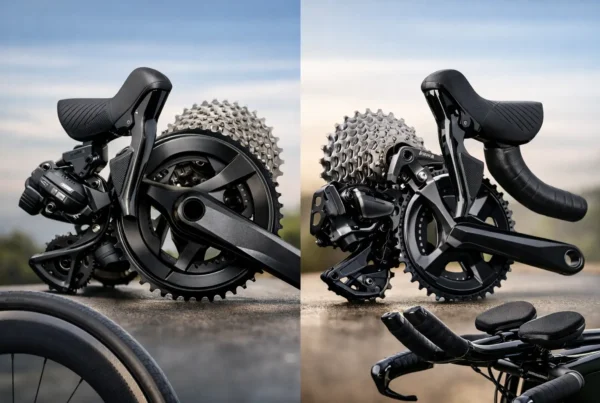
Wheel depth should suit your terrain and speed. Deep wheels can transform an aero race bike, but they are not always the best answer for lighter riders or windy routes. Groupset choice matters too. Electronic shifting is now a natural fit for many high-end builds, especially for riders who want consistent performance and cleaner cable integration. Gearing should reflect where you ride, not what looks most pro on paper.
It is also worth being honest about contact points. Saddle choice, bar width and crank length all influence how effectively you can use the frame beneath you. A race-ready chassis with the wrong fit at the contact points will never feel fully sorted.
Who should buy a road race bike frameset?
A frameset makes most sense for riders who know what they want from the finished bike. If you already have a preferred groupset, a wheelset worth keeping or a clear fit target, building from a frameset gives you control that a complete bike often cannot. It is also a strong option if you want a premium chassis without paying for stock components you plan to replace.
For experienced riders, that flexibility is a real advantage. You can build for bunch racing, fast sportive riding, hilly road events or a disciplined training bike with race-level handling. The key is making sure the frame is driving the build, not the other way round.
If you are still uncertain on sizing, geometry or the balance between aero and all-round performance, expert fit guidance is worth far more than chasing a discount on the wrong model. That is especially true when buying a premium frameset online. Trusted support, secure payment and reliable shipping should be part of the decision, not an afterthought.
At Trifit Bikes, that is exactly where a specialist approach matters. Riders shopping at this level do not need hype. They need confidence that the frame they choose will suit their fit, their riding and the performance they expect once the build is complete.
The best road race frameset is not the one with the loudest claims. It is the one that makes you want to pin a number on, push harder through the final corner and keep the bike another season because it still feels right every time you ride it.