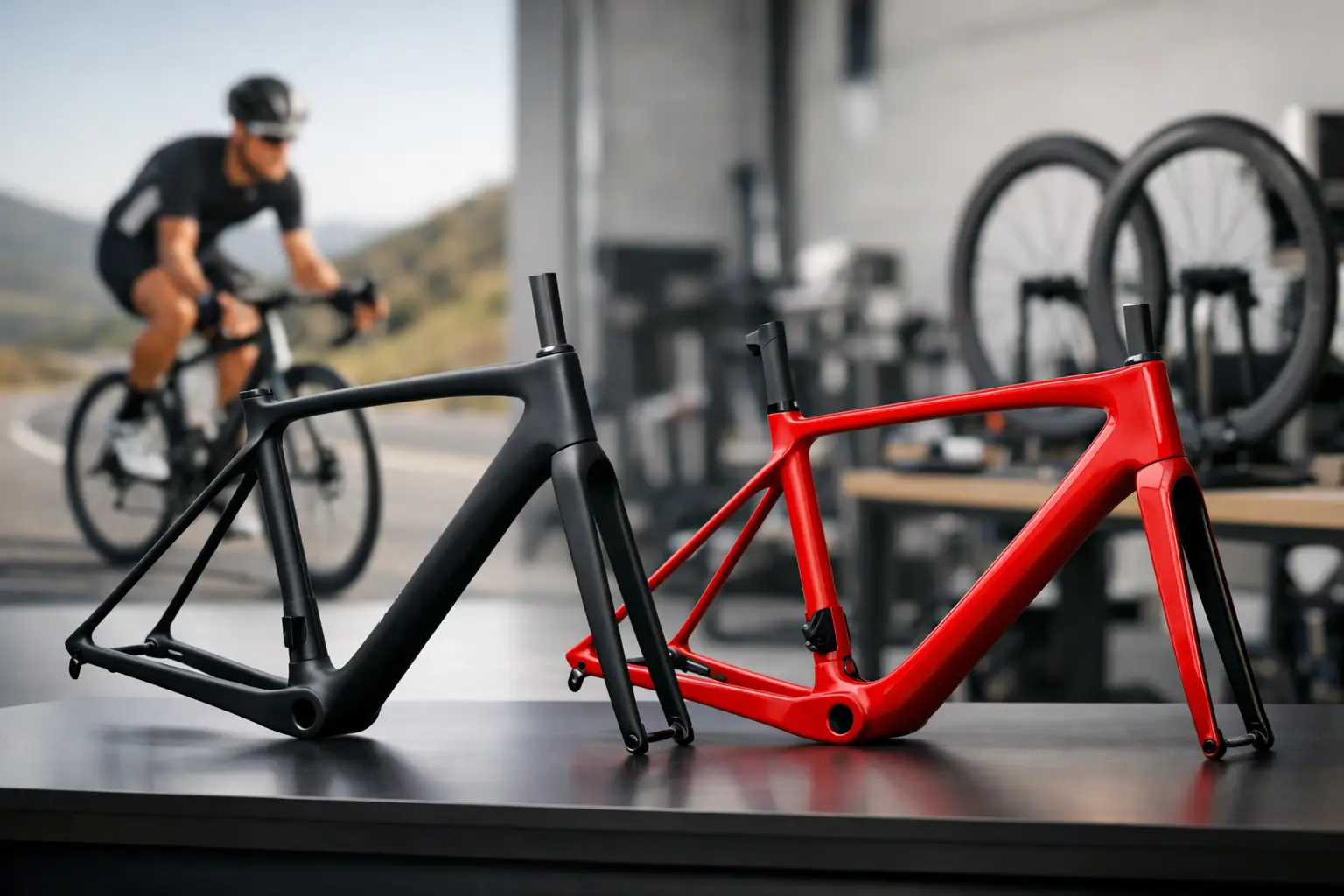
A fast wheelset, premium groupset and fresh tyres can sharpen a bike, but the frame decides how all of that speed feels on the road. The best road race framesets give you a platform that accelerates hard, holds a precise line through a fast bend and still fits your body well enough to perform when the ride reaches its decisive hour.
For a serious rider, choosing a frameset is not simply about buying the lightest number on a product page. It is about matching the frame’s geometry, aerodynamic intent, tyre clearance and component compatibility to the racing you actually do. A hilly road race, a fast crit, a sportive with long exposed sections and a training block in poor British weather all place different demands on the bike.
What makes a road race frameset genuinely fast?
A race frameset should feel direct without becoming difficult to ride. That balance comes from carbon lay-up, tube shaping, geometry and integration working together rather than any one headline figure.
Stiffness around the bottom bracket and head tube helps translate a hard acceleration or sprint into forward movement. Yet excessive stiffness can make a frame feel harsh over broken tarmac, particularly when paired with deep-section wheels and high tyre pressures. The strongest frames are engineered to stay composed while allowing enough controlled compliance at the saddle and front end to keep you efficient over a full race distance.
Handling matters just as much. A responsive front end gives confidence when moving through a bunch, changing line on a descent or committing to a corner at speed. That does not always mean twitchy. Riders who spend hours on open roads may be faster on a slightly calmer chassis than on an ultra-aggressive frame that demands constant input.
Aerodynamics also belongs in the real-world conversation. Deep tube profiles, concealed cables and integrated cockpits can reduce drag at speed, but they may add complexity when fitting the bike, travelling with it or changing parts. If your racing involves flat, fast circuits, windy roads or breakaway efforts, aero gains deserve serious weight. If climbing and repeated accelerations define your calendar, a lighter all-round race frame may be the better tool.
The best road race framesets by riding style
There is no single winner for every rider. The right choice depends on your position, terrain and the kind of speed you want to prioritise.
Aero race framesets for flat-out speed
Aero framesets suit riders who race on flatter terrain, target criteriums or want every advantage on fast group rides. Models such as the Cervelo S5, Factor OSTRO VAM and Canyon Aeroad represent the modern aero race approach: sculpted carbon profiles, integrated front ends and clear intent to save watts at race pace.
The trade-off is usually adjustability and simplicity. Fully integrated cable routing looks exceptionally clean and supports aerodynamic efficiency, but it can make stem changes, brake work and travel preparation more involved. Before committing, be clear on your preferred bar width, stem length and stack height. A professional fit is particularly valuable here because correcting a poor cockpit choice after the build can be expensive.
Aero does not have to mean heavy or dull on climbs. The best current platforms are capable all-round race bikes, but riders who spend most weekends on steep, irregular roads may still prefer a lighter, more conventional race chassis.
Lightweight all-rounders for varied racing
For many British riders, the all-round race frameset is the smartest place to start. It needs to climb efficiently, descend with confidence and remain quick when the wind picks up. The Cervelo R5, Cannondale SuperSix EVO, Canyon Ultimate and Argon 18 Sum are examples of the category’s focus: low weight, sharp handling and enough aerodynamic refinement for everyday racing.
This style of frame is ideal if your season includes hilly road races, club events, sportives and training rides with changing terrain. It also gives greater freedom to tailor the build. Pair it with lightweight wheels for climbing days, or fit a deeper wheelset when the route is flatter and faster.
The key question is whether the frame’s geometry supports your strongest riding position. A frame can be impressively light, but if its reach is too long or its front end too low, you may lose power, comfort and confidence. Fit is performance, not an afterthought.
Endurance-leaning race frames for long, hard days
Some riders need race-level efficiency without an uncompromising race position. A frameset with slightly more stack, stable handling and generous tyre clearance can be the better choice for long-distance events, rough-road riding and high-volume training.
Do not mistake this for settling for a slower bike. A rider who can hold an efficient position for five hours will often outperform one who is forced to sit up, stretch or manage discomfort. The ability to use 28mm or 30mm tyres at appropriate pressures can also improve grip and reduce fatigue on imperfect roads.
If outright bunch racing is your only aim, a dedicated race frame may still be preferable. But if you want one premium build for fast club rides, challenging sportives and occasional race numbers, this broader capability carries real value.
Geometry should lead your shortlist
It is tempting to compare only frame weight and aerodynamic claims. Geometry has a greater effect on how a bike will feel beneath you.
Stack is the vertical distance to the top of the head tube, while reach indicates the horizontal length of the frame. Together, they shape your cockpit position. A lower-stack, longer-reach race frame can suit a flexible rider who is comfortable producing power in an aggressive position. A higher-stack option may let another rider achieve the same sustainable posture with fewer spacers and less strain.
Also consider trail, wheelbase and chainstay length. These figures influence steering response and stability, although they need to be read as part of the whole design rather than in isolation. A frame designed for rapid criterium direction changes will not necessarily feel like a long-distance mountain descender, even if both are premium carbon race frames.
The most useful starting point is your current bike. Note the saddle height, saddle setback, bar drop, stem length and the changes you would genuinely like to make. From there, compare geometry charts rather than relying on a size label alone. A 54cm from one brand can fit very differently from a 54cm elsewhere.
Build compatibility can make or break the purchase
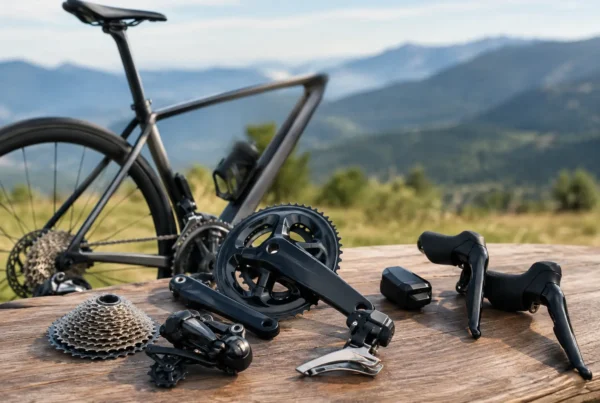
A frameset gives you the chance to create a focused race bike, but every part needs to work together. Confirm whether the frame supports your preferred electronic groupset, crankset and axle standard. Check the bottom bracket type, brake mount, maximum tyre clearance, seatpost design and whether the cockpit is proprietary.
Electronic shifting is the natural match for many modern race frames because it supports clean cable routing and crisp shifts under pressure. Shimano Di2 and SRAM AXS both offer high-level race performance, but their installation requirements differ. A wireless setup can simplify some aspects of a build, while a wired system may offer its own advantages in integration and charging routine.
Wheel choice deserves equal attention. An aero frameset with shallow training wheels will not deliver its full potential on fast terrain, while an ultralight climbing frame can feel overbuilt with excessively deep wheels on steep, gusty roads. Choose the frame first, then build around the routes and races that matter most.
Where to spend and where to be sensible
The frame is the foundation, so it is reasonable to invest in a model with the fit and ride characteristics you need. However, do not consume the entire budget on a premium chassis and compromise on wheels, tyres or correct sizing. Those details affect every ride.
For many riders, the strongest build balances a high-quality carbon frameset with reliable electronic shifting, race-worthy wheels and tyres suited to local road surfaces. Saving a small amount of weight is rarely worthwhile if it means choosing a poor-fitting cockpit or limiting tyre clearance to an impractical size.
A specialist retailer can help turn the specification into a coherent build rather than a collection of expensive parts. At Trifit Bikes, the focus is on performance-led equipment and fit-aware guidance, giving serious riders more confidence before committing to a premium frameset purchase.
Choose the frame you will race best on
The best road race framesets are not defined solely by wind-tunnel numbers or a scale reading. They are the frames that let you get low when the pace rises, corner with conviction, put power down in the sprint and arrive at the final kilometres with something left to use.
Start with fit, then choose between aero efficiency, low weight or broader all-road capability. Get that order right, build with purpose and your next frameset will feel less like an upgrade on paper and more like a bike that asks you to race harder.