At some point in every long-course build-up, the same question lands hard: do you need a TT bike for Ironman, or are you about to spend a serious amount of money for gains that only matter on paper? It is a fair question, because 180km exposes every weakness in your setup. Aero matters, but so do comfort, fuelling, control and your ability to run well afterwards.
The short answer is no – you do not need a TT bike to complete an Ironman. Plenty of athletes have gone long and finished strong on a road bike. But if your goal is to race as efficiently as possible, protect your legs and make the most of your bike split, a properly fitted TT bike is usually the better tool.
Do you need a TT bike for Ironman if your goal is just to finish?
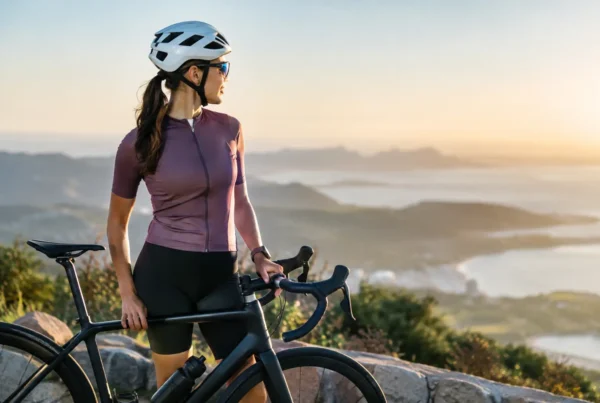
If your main goal is getting to the line, riding within yourself and arriving at T2 in decent shape, a road bike can absolutely do the job. That is especially true if you already own a quality road bike, know your position well and have spent months building endurance on it.
A road bike is often the simpler choice for newer triathletes. Handling feels more familiar, climbing can feel more natural, and if your local riding has been road-focused, chances are your current setup already suits the way you train. For many first-time Ironman athletes, consistency matters more than chasing the perfect race machine.
That said, there is a difference between finishing and racing efficiently. Over an Ironman bike leg, small aerodynamic gains become meaningful. Saving energy into a headwind, holding a more streamlined position for hours and reducing upper-body movement can all make a noticeable difference by the time the marathon starts.
What a TT bike actually changes
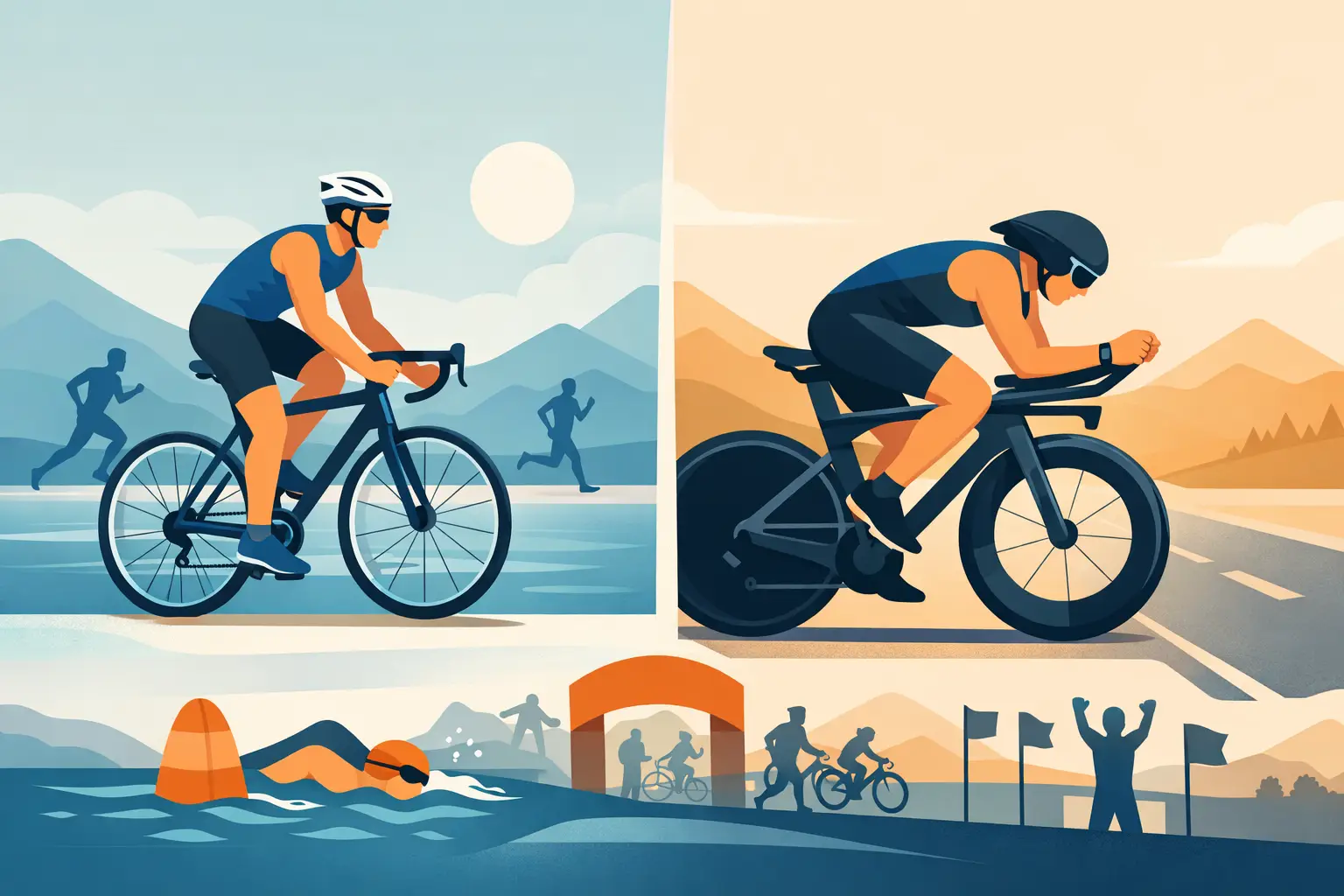
A TT bike is not just a road bike with clip-on bars. The frame geometry, front-end design and rider position are built around sustained aerodynamic riding. You sit steeper, your torso is generally lower, and the cockpit is designed to support your weight through the pads rather than loading your hands on the hoods.
That matters because Ironman is not won by producing a few impressive five-minute efforts. It is about holding a controlled output for a very long time. A TT bike helps you stay aero with less strain, assuming the fit is right. That last point is everything.
When riders move from a road bike to a TT bike and say it felt faster without feeling harder, this is usually why. You are not only reducing drag. You are often moving into a position better suited to triathlon pacing. A good tri position can also make the transition to running smoother by changing how the hips and glutes are loaded during the ride.
The real question is whether you can stay comfortable in aero
A TT bike only earns its place if you can actually use it. If your neck tightens after 30 minutes, your shoulders are overloaded, or you keep sitting up because the position feels unstable, then the theoretical speed advantage starts to disappear.
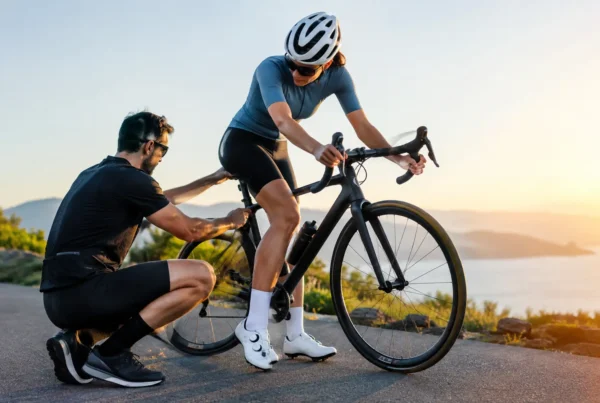
This is why bike fit matters more than the bike category on the invoice. An expensive TT bike with the wrong pad stack, pad reach or saddle setup is a liability. A well-fitted road bike with clip-on aero bars can be faster over 180km than a poorly fitted tri bike that you cannot hold.
Comfort, in this context, does not mean upright and relaxed. It means sustainable. You should be able to stay in position, breathe properly, drink regularly and produce steady power without fighting the bike. For Ironman, that is the standard.
When a road bike is enough
There are clear scenarios where a road bike is the smarter buy. If you are entering your first Ironman and still building confidence over long distances, spending time on a familiar platform can make more sense than adapting to a new position late in the process.
The same applies if your budget is better spent elsewhere. Race entry, travel, coaching, shoes, nutrition, indoor training and maintenance add up quickly. Sometimes the better performance decision is keeping your current bike and investing in fit, training structure and reliable kit.
Course profile matters too, although less than many riders think. On flatter or rolling Ironman bike courses, a TT bike tends to offer the biggest upside. On hillier or more technical routes, the gap can narrow slightly, but aerodynamics still count more often than people expect. Even so, if you are more confident descending and cornering on a road bike, that confidence has value.
A road bike also remains a strong option for athletes who want one bike for everything. If you ride group spins, sportives and weekend climbs as much as triathlon-specific sessions, a road platform may fit your real-world riding better.
When a TT bike becomes worth it
If you are chasing a time goal, aiming for age-group improvement or planning to race long-course regularly, a TT bike is much easier to justify. Over Ironman distance, efficiency compounds. A better aero position can save time, but more importantly it can save energy. That is often the bigger win.
Riders who train specifically for triathlon also tend to get more from a dedicated setup. If you are spending long hours riding solo, holding steady power and rehearsing race nutrition, a TT bike supports exactly that kind of work. It becomes part of the system rather than a luxury upgrade.
There is also a practical point here. Dedicated tri bikes are designed around integrated hydration, storage and front-end adjustment. For long-course racing, those details help. Cleaner fuelling access and easier position support can make race execution tidier, especially late in the ride when small disruptions become expensive.
Do you need a TT bike for Ironman or just aero bars?
For some athletes, the answer sits in the middle. Adding clip-on aero bars to a road bike can deliver a useful step forward without the full cost of a TT bike. It can improve your frontal area, give you a more race-specific posture and let you practise riding in an aero position before committing to a new machine.
This route works best when the road bike geometry allows a sensible setup and the rider is realistic about expectations. You can get part of the benefit, but usually not the full package. The position often ends up as a compromise, and handling can feel less natural than on a purpose-built tri bike.
Still, for many Ironman athletes, especially those balancing budget and performance, it is a smart bridge. It gives you a chance to learn what your body tolerates and what matters to your pacing before stepping into a dedicated frame.
Fit, gearing and wheels matter as much as the frame
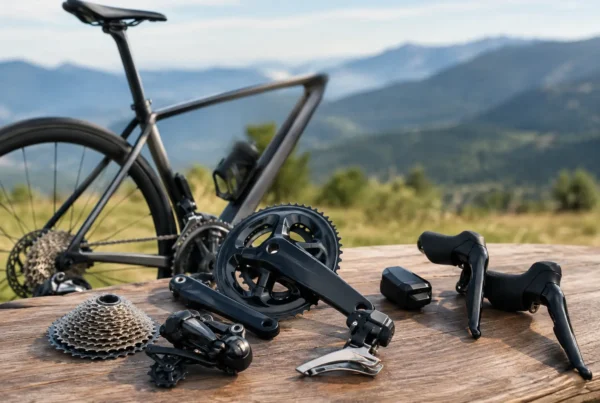
If you are deciding where to spend, start with fit. Then look at gearing for the course and your ability, followed by wheel choice and tyres. Riders often overestimate the frame and underestimate the setup around it.
A TT bike with the wrong gearing can ruin pacing on a hilly course. Deep wheels that suit your strength and handling are an asset, but only if you are stable in crosswinds. Tyre choice, pressure and rolling resistance all matter over Ironman distance. So does a saddle that lets you stay planted in position for hours.
That is where specialist guidance makes a difference. A premium bike should not just look fast in photos. It should match your body, your race goals and the kind of courses you actually ride. That is the difference between buying a performance bike and buying the right performance bike.
The buying decision most athletes should make
If you are one race away from proving to yourself you can do an Ironman, your current road bike may be enough. Get fitted well, train in the position you will race in and focus on execution. You do not need a TT bike purely to belong on the start line.
If, however, you are committed to long-course triathlon and want every practical advantage available, a TT bike is not overkill. It is the race-specific option for a reason. The gains are real when the fit is correct and the rider has the flexibility, control and training time to use it properly.
For serious athletes, that usually makes the decision clearer. Ironman rewards efficiency more than drama. The right TT bike helps you stay faster for longer and arrive at the run with more left to give. That is not marketing language. It is what the event demands.
If you are still undecided, be honest about your goals, not just your wishlist. Buy the bike that supports the way you train and race now, while leaving room for where you want to go next. The best setup is the one you can trust for all 180 kilometres.