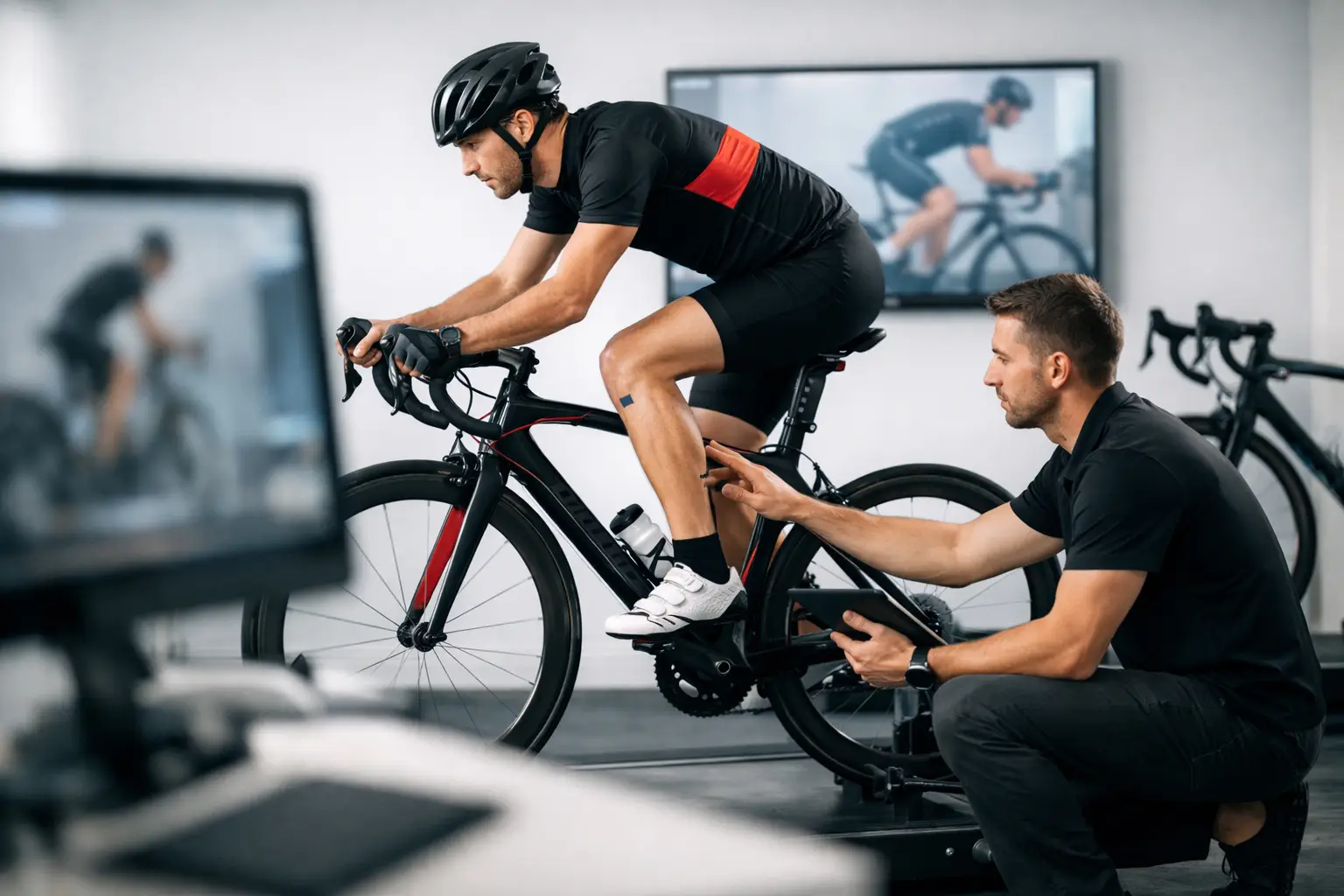
A fast bike that does not suit your position is an expensive compromise. A performance bike fit service turns frame geometry, contact points and riding goals into a setup you can sustain when the pace rises – whether that means holding an aero position through a 40km time trial or staying efficient on a long road climb.
For serious riders, fit is not an afterthought once the bike arrives. It is a key part of choosing the right bike in the first place. The right frame size, cockpit reach and saddle position give your body the platform to produce power confidently, corner accurately and spend more time enjoying the ride rather than managing discomfort.
What a Performance Bike Fit Service Should Deliver
A good fit is not about chasing one universal position. The most aerodynamic position is not automatically the fastest if you cannot hold it, and the lowest front end is not automatically the most aggressive in a useful sense. The target is a position that balances power, comfort, control and aerodynamics for the way you actually ride.
For a triathlete or TT rider, that may mean finding an aero position that keeps the hips open enough to run well off the bike. For a road rider, it could mean a stable, efficient position for fast group rides, rolling terrain and long days in the saddle. Gravel and mountain riders need a setup that preserves breathing room and control when the surface becomes unpredictable.
A performance-led assessment considers your height and proportions, but it goes much further. Flexibility, previous injuries, riding history, event distance, current bike and preferred riding style all influence the recommendation. Two riders of the same height can need very different reach, stack and saddle settings.
Start With the Bike You Want to Ride
The most valuable time to consider fit is before committing to a premium bike or frame. Modern performance bikes are highly specialised. An aero road bike, lightweight climbing bike and triathlon machine can all feel quick, but their geometry and adjustment range are built around different priorities.
Frame stack and reach are particularly useful measures when comparing models. Stack indicates the vertical relationship from the bottom bracket to the top of the head tube, while reach indicates the horizontal distance. Together, they offer a clearer view of a bike’s potential riding position than a seat tube measurement alone.
That does not mean geometry charts should be used in isolation. Handlebar shape, stem length, spacer allowance, crank length, saddle rails and seatpost design can change the final result. On an integrated-cockpit bike, where adjustment options can be more limited, choosing the correct frame size and cockpit configuration from the outset matters even more.
A fit-focused buying process helps avoid common, costly mistakes: sizing up to get a taller front end, then ending up with excessive reach; choosing a race frame that cannot achieve your preferred bar height; or purchasing a tri bike that leaves too little room to adjust the arm pads. A bike can be exceptional on paper and still be the wrong platform for your body.
Comfort Is a Performance Variable
Discomfort is often dismissed as part of riding hard. Some effort is inevitable when you are racing or training with intent, but recurring numbness, persistent knee pain, hand pressure or back strain should not be accepted as normal.
Small changes can have a meaningful effect. A saddle that is a few millimetres too high can cause rocking through the hips and make smooth pedalling harder. Excessive reach may load the shoulders and hands. Cleat position can influence foot stability, knee tracking and calf fatigue. These details do not simply improve comfort – they help you put more consistent force through the pedals.
The aim is not to create a soft, upright position for every rider. Competitive cyclists often need a purposeful setup. The difference is that a well-chosen performance position should feel supported rather than restrictive. You should be able to breathe deeply, look ahead clearly and apply power without fighting the bike.
The Key Contact Points to Get Right
Your bike meets your body at the saddle, pedals and handlebars. Each point affects the others, so fit adjustments should be made as a connected system rather than as isolated fixes.
Saddle position is usually the foundation. Height, fore-and-aft placement, tilt, width and shape influence pelvic stability and the way you reach the pedals. There is no single best saddle, but there is a clear benefit in choosing one that matches your riding posture and supports you without creating pressure in the wrong areas.
Cleats deserve equal attention, especially for riders increasing their training volume. Their position can be adjusted to suit foot shape, natural angle and pedalling mechanics. A neutral-looking cleat setup is not always the correct one if it forces your knees or ankles into an unnatural path.
At the front of the bike, handlebar width, reach, drop and lever placement affect breathing, steering and upper-body tension. A narrower bar may offer aerodynamic benefits on the road, but it needs to retain confident control. A longer stem can create a cleaner, racier silhouette, yet it is only useful if you can maintain that reach without overloading your back, neck or hands.
Aero Fit Is About Holding the Position
Triathlon and time-trial bikes make the fit conversation even more precise. The fastest position is the one you can maintain while producing power, fuelling properly and staying composed in changing conditions.
Arm pad height, width and extension length determine how your upper body is supported. A very narrow, low setup may test well for a short effort, but it can become difficult to hold over a middle- or long-distance race. Conversely, an overly high position can sacrifice valuable aerodynamic efficiency. The right answer depends on your mobility, core stability, race duration and the demands of the course.
Saddle choice and saddle position are also central for triathlon. Rotating the pelvis forwards can help some riders stay lower at the front while maintaining hip clearance, but it requires the right support and a position that remains stable under sustained effort. This is why a tri bike should be judged by its full adjustment range, not by frame size alone.
When an In-Person Fit Makes Sense
Remote fit guidance can be a practical starting point when you are selecting a new bike online, particularly if you can provide accurate measurements, current bike details and clear information about your riding goals. It is useful for narrowing down frame sizes and identifying whether a bike’s geometry is likely to suit your intended position.
However, an in-person assessment is the stronger choice if you are managing pain, returning from injury, making a major move into TT or triathlon, or trying to solve a persistent position issue. Seeing how you pedal and move on the bike can reveal details that a measurements-only approach cannot.
Fit is also not a one-time event. Fitness, flexibility, training load and priorities change. A rider preparing for their first Ironman may need different compromises from the same rider focused on short local time trials a year later. Rechecking your position after a new saddle, crank change, injury or significant increase in mileage is sensible maintenance, not unnecessary fuss.
Make Your Next Bike Purchase Fit First
Before choosing a frame, be clear about your main use. Consider the routes you ride, the events you target, the distance you race and the position you want to sustain at effort. Bring your current bike measurements into the conversation, including saddle height, saddle-to-bar reach and handlebar drop, but be ready to question settings that have never felt right.
At Trifit Bikes, the focus is on helping committed riders choose performance equipment with confidence. Premium frames, electronic drivetrains and aero components can all raise the ceiling of your ride, but the correct fit is what lets you access that performance consistently.
Choose the bike that gives you room to ride your best position, not merely the one that looks quickest on the product page. When the frame, contact points and purpose line up, every hard-earned mile has a better chance of moving you forwards.