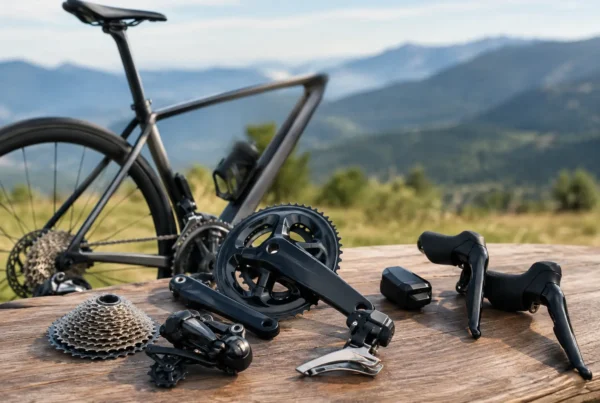
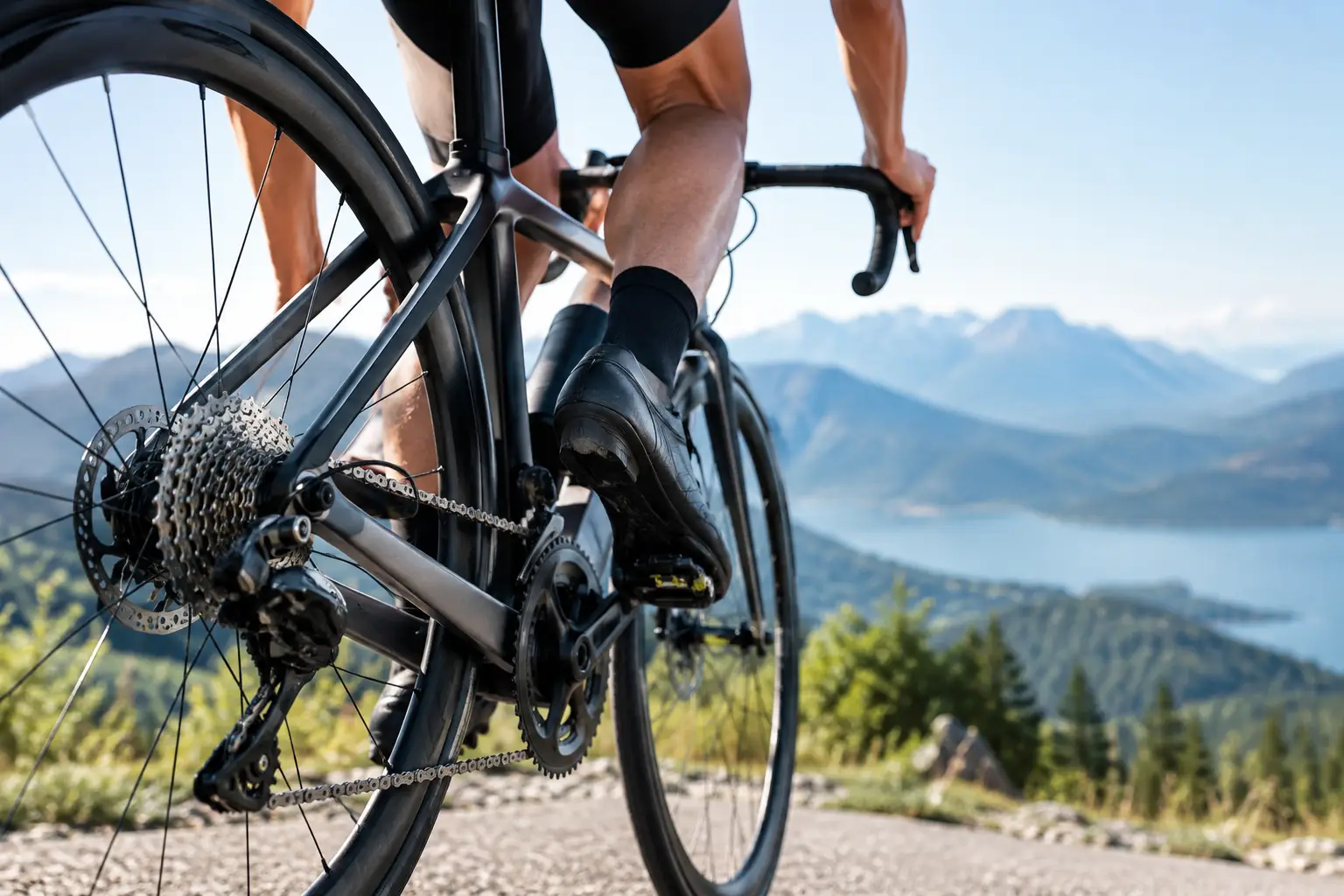
A missed shift at the base of a climb, a front derailleur that hesitates under load, or a clumsy gear change while holding an aero position can cost more than a few seconds. So, is electronic shifting worth it for riders investing in a performance bike? For many road riders, triathletes and racers, the answer is yes – but the value comes from consistency, control and setup rather than a magical increase in fitness.
Electronic groupsets such as Shimano Di2 and SRAM AXS have moved well beyond novelty status. They are now standard equipment on many premium road, gravel and triathlon bikes because they solve genuine problems: they shift accurately, require less hand effort and can be configured around the way you ride. That does not make mechanical shifting obsolete. It does mean the decision deserves more thought than simply choosing the more expensive option.
Is electronic shifting worth it for performance riding?
Electronic shifting is most worthwhile when gear changes need to be quick, repeatable and easy to make under pressure. A well-adjusted mechanical drivetrain can shift brilliantly, but cables stretch, housing gets contaminated and adjustment can drift. Electronic derailleurs move to a programmed position every time, so the feel remains crisp when the system is correctly maintained.
For a rider training through a British winter or racing regularly, that consistency is valuable. You press a button and the gear arrives cleanly, even when you are fatigued, gripping the drops in the rain or trying to maintain power over rolling terrain. There is no cable pull to overcome, which also means a lighter lever action and less disruption to your grip.
The largest advantage is not usually the speed of a single shift. It is the reduction in small errors across a long ride or race. Choosing the right gear earlier, shifting from the hoods without changing hand position, or moving through the cassette with a single sustained press can make pacing feel calmer and more controlled.
The advantage for triathlon and time trial bikes
Electronic shifting makes an especially strong case on triathlon and TT bikes. Multiple shift buttons can be placed at the base bar and on the extensions, allowing gear changes while braking, climbing, cornering or holding an aerodynamic position. Mechanical systems can offer satellite shifters too, but electronic systems make the layout cleaner and more flexible.
On a course with frequent changes in gradient or wind direction, being able to shift without sitting up helps preserve rhythm and position. It will not replace good pacing, bike fit or aerodynamic preparation, but it removes a frustrating compromise that has long existed on cockpit-focused race bikes.
For athletes building a premium triathlon machine, electronic shifting is generally money well spent before cosmetic upgrades. The practical benefit arrives on every ride, not just on race day.
Shimano Di2 or SRAM AXS: what changes in real use?
Both major systems deliver precise electronic shifting, but their ownership experience is different. Shimano Di2 commonly uses a central internal battery and, depending on the generation and setup, wired connections between components. The system is known for fast, decisive shifts and long battery life. Many riders appreciate charging one main battery and rarely needing to think about it.
SRAM AXS uses removable batteries on the derailleurs and wireless communication between controls and derailleurs. It is particularly appealing for clean builds, straightforward installation and the ability to swap a battery between front and rear derailleur if needed. AXS also brings useful customisation through its companion app, including button functions and shift behaviour.
Neither system is automatically better for every rider. Di2 can suit riders who want a fit-and-forget drivetrain with exceptionally sharp shifting. AXS can suit those who value wireless simplicity, easy component swaps and a highly configurable setup. The best choice is often the one that matches the bike platform, gearing requirements and groupset level you are considering.
Where electronic shifting earns its price
A premium groupset is expensive, so it is fair to ask where the return actually appears. It rarely comes in the form of a dramatic watt saving. Instead, electronic shifting improves the quality of interaction between rider and bike.
On road bikes, it makes frequent shifts on undulating routes more instinctive. On gravel, the positive lever action and reliable derailleur positioning are welcome when terrain is rough and hands are tired. On mountain bikes, wireless electronic drivetrains can simplify frame design and eliminate concerns about cable routing, while offering excellent shifting under demanding conditions.
There are also useful configuration features. Semi-synchronised or synchronised shifting can coordinate front and rear derailleur movement, helping riders maintain a sensible cadence range. Extra buttons can control head units or operate shifts from alternative hand positions. These features are not essential, but they can make a performance bike feel properly tailored rather than merely upgraded.
For competitive riders, confidence matters. When you trust the next shift, you are more likely to select the gear you need before a steep ramp, a sprint or a change in road surface. That is a small but meaningful advantage when training and racing are built around repeatable execution.
The trade-offs: cost, charging and repair
Electronic shifting is not a free performance upgrade. The initial purchase price is higher, replacement parts cost more, and crash damage can be painful on a high-end rear derailleur. Riders who travel often should also consider charging routines and, for removable batteries, carry a spare where appropriate.
Battery anxiety is usually overstated, particularly with a disciplined routine. Most systems provide clear low-battery warnings well before they stop shifting. Still, it is one more item to check before a race, alongside tyre pressure, lights, nutrition and tools. Forgetting to charge a groupset before a long event is avoidable, but it is not impossible.
Repairability is another genuine consideration. A mechanical drivetrain can often be adjusted roadside with a multi-tool, replacement cable or basic knowledge. Electronic systems are dependable, but diagnosing a damaged wire, firmware issue or electronic component is less straightforward. If you ride remote routes, tour with limited support or simply prefer complete mechanical self-sufficiency, mechanical shifting retains a compelling advantage.
Electronic systems also do not excuse poor drivetrain care. A worn chain, bent hanger, dirty cassette or poorly aligned derailleur will still compromise shifting. The technology improves precision, but it works best on a clean, correctly maintained bike.
Is electronic shifting worth it for every cyclist?
Not necessarily. If you ride occasionally, have a fixed budget or would rather spend the difference on better wheels, tyres, coaching or a professional bike fit, mechanical shifting remains a smart choice. A well-specced bike with dependable mechanical gears can be faster and more enjoyable than an electronic-equipped bike that does not fit properly.
The value also changes by discipline. A triathlete choosing between electronic shifting and a minor frame upgrade will usually gain more day-to-day benefit from electronic controls. A road rider buying their first serious endurance bike may find that hydraulic disc brakes, tyre clearance and a comfortable position matter more. A gravel rider heading far from home may prioritise simple field repairs over the refinement of a wireless setup.
Budget should include the whole build, not just the rear derailleur badge. Do not compromise on frame size, contact points or the wheels and tyres that suit your terrain merely to secure electronic shifting. A specialist retailer such as Trifit Bikes can help put those priorities in the right order when comparing premium bike specifications.
A sensible way to make the decision
Ask how often you shift, where you ride and what frustrates you on your current bike. If your answer involves racing, fast group rides, variable terrain, aero extensions or a desire for a refined high-performance build, electronic shifting is likely to feel worthwhile from the first few rides.
If your mechanical setup is shifting cleanly and you value simplicity above all else, there is no need to upgrade for the sake of it. The strongest bikes are built around the rider, not a specification sheet. Choose the drivetrain that lets you focus on the next corner, the next climb and the effort that really moves you forward.