A fast wheelset cannot rescue a poor position, and a beautiful cockpit is no use if it leaves you overstretched after an hour. That is why choosing between aero bike frameset options starts with the rider, the race and the build plan – not just the shape of the tubes. The right frameset gives you a genuinely quicker platform while leaving room for the fit, wheels, gearing and tyre choice that make speed sustainable.
For committed road racers, triathletes and time-trial riders, a frameset is also the most direct route to a bike that feels purpose-built. You choose the specification rather than accepting compromises made for a complete-bike price point. That freedom is valuable, but it makes the details matter.
What an aero frameset is designed to do
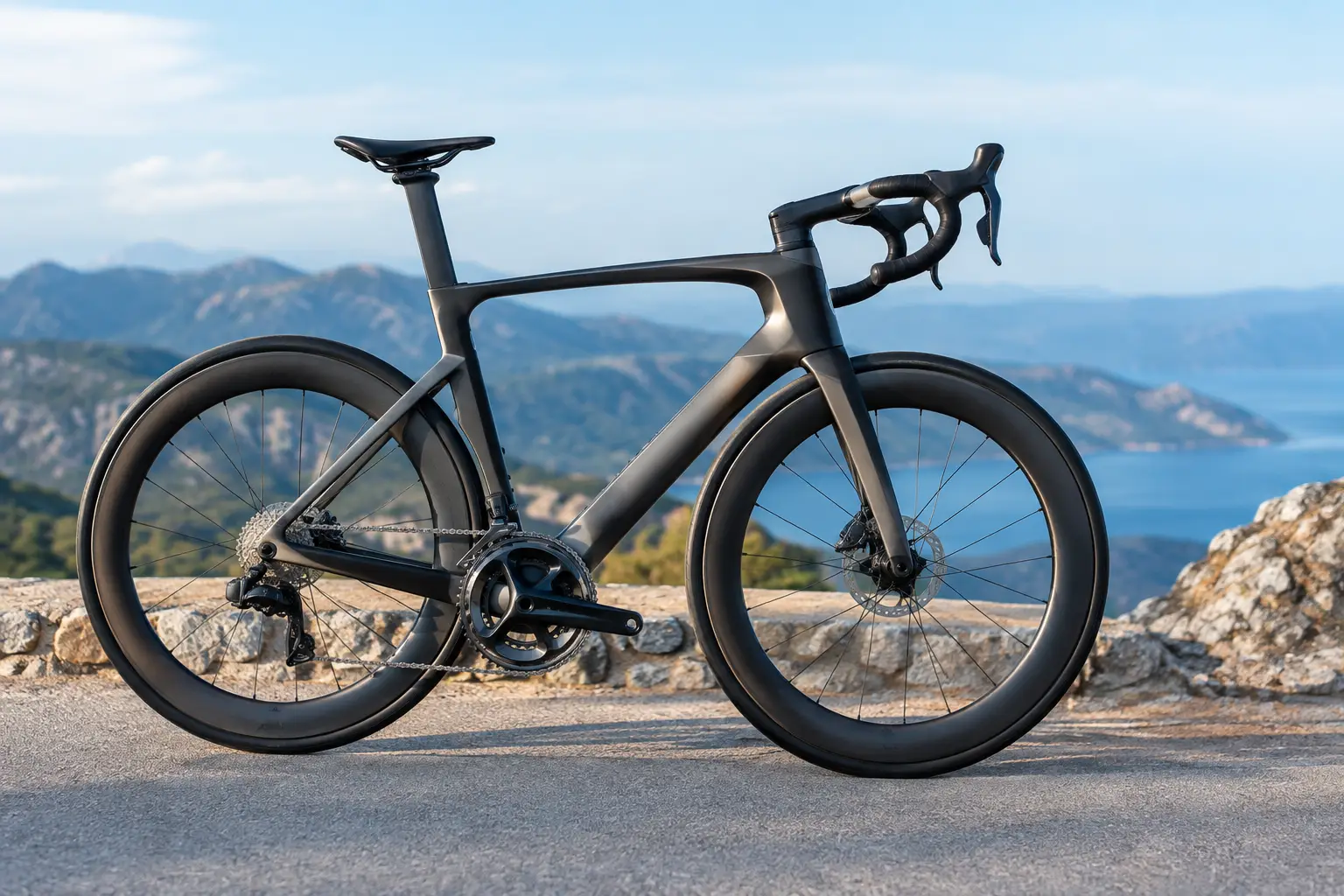
An aero frameset reduces the drag created by the bike and rider system as it moves through the air. Deep, shaped tube profiles, a close-fitting fork, hidden cables, an integrated seatpost or seat mast, and carefully managed airflow around the wheels all contribute. At higher speeds, especially on exposed roads and flatter race courses, those marginal gains add up.
The rider remains the biggest source of drag. A frameset should therefore help you hold an efficient position rather than simply post the lowest aerodynamic figure possible. A road frame with the right stack and reach can make it easier to stay low and comfortable on the hoods or drops. A dedicated TT or triathlon frame should give enough adjustment at the arm pads, extensions and saddle to dial in a powerful position for your event duration.
Aerodynamics never sit entirely on their own. A very deep-profile design may save watts, but it can be less forgiving in crosswinds or more restrictive when packing for travel. Integration can create a strikingly clean build, yet it may add time to a brake hose change or cockpit adjustment. The best choice is the one that suits your racing, riding conditions and mechanical expectations.
Aero bike frameset options by riding goal
Aero road framesets for fast group rides and racing
An aero road frameset is the natural choice for riders who want race speed without moving to a specialist time-trial position. These frames combine slippery profiles with road-bike handling, conventional drop bars and enough versatility for training, sportives and criteriums.
Look for clearance for modern wide road tyres, ideally allowing a 28mm setup with real room around it. The fastest tyre choice is not automatically the narrowest. On typical UK roads, a correctly matched wider tyre at an appropriate pressure can reduce rolling resistance, improve comfort and help you keep power down over broken surfaces.
Geometry is the deciding factor. A low front end may appeal on paper, but an aggressive frame that forces too much drop can compromise comfort and control. Compare stack and reach with a bike you know fits well, then account for the supplied cockpit, spacer limits and stem options. Fully integrated systems can have fewer adjustment choices than a conventional bar-and-stem setup.
TT and triathlon framesets for sustained speed
A dedicated TT or triathlon frameset earns its place when your priority is solo speed. The rider is supported on forearms rather than hands, allowing a narrower frontal profile and a position designed to be held steadily. These frames are built around aerobars, hydration solutions, storage and the demands of long, uninterrupted efforts.
Triathletes should consider more than pure drag reduction. An integrated bento box, accessible nutrition storage and a hydration system that can be used without sitting up are meaningful advantages over a long course. For time triallists, adjustability and compliance with event regulations can be more important. Check that the frame, extensions and front-end setup work within the rules for the events you enter.
There is a fit trade-off here. A more extreme position may test brilliantly for a short effort but become costly over 90 kilometres or a full-distance bike leg. Saddle range, pad stack, pad width and extension length all deserve attention before committing to a frame. A professional fit is one of the strongest investments you can make in a performance build.
Aero all-road builds for real-world speed
Not every fast road needs are met by the most focused race frame. Some riders need a bike that stays quick on rolling lanes, rough tarmac and long club rides. An endurance-leaning aero frameset with greater tyre clearance and a slightly taller front end may be the faster choice over a full day because it protects comfort, confidence and consistency.
This is especially relevant for British riding. Potholes, damp corners, coarse chipseal and changeable winds reward a bike that is stable and easy to manage. Choose an all-road direction when your training includes poor surfaces or when a single high-performance bike must cover events, weekend rides and regular mileage.
Choose the frame around fit first
Start with your current contact points: saddle height, saddle setback, handlebar reach and handlebar drop. If you have a recent bike fit, use the numbers as a reference rather than relying on labelled sizes alone. One brand’s medium can have a very different front-end height and reach from another’s.
For road frames, stack and reach provide a useful first comparison, while head-tube length, seat angle and cockpit configuration complete the picture. For TT and triathlon, the key measurements are pad stack and pad reach. A frame may be available in your nominal size but still fail to achieve your preferred arm-pad position without an excessive tower of spacers or an unsuitable stem.
Do not buy a smaller aero frame simply because it looks more aggressive. Slamming the stem is not a performance goal. A clean, repeatable position that you can hold while producing power is faster than an extreme position that closes your hip angle, strains your neck or makes you move around on the saddle.
Build compatibility can decide the better frameset
A premium frameset is only as good as the parts it accepts. Before ordering, confirm the supplied components and the standards required for the rest of the build. The fork, headset, seatpost, thru-axles and small hardware may be included, but cockpit components, bottom bracket, rotors and storage accessories vary by model.
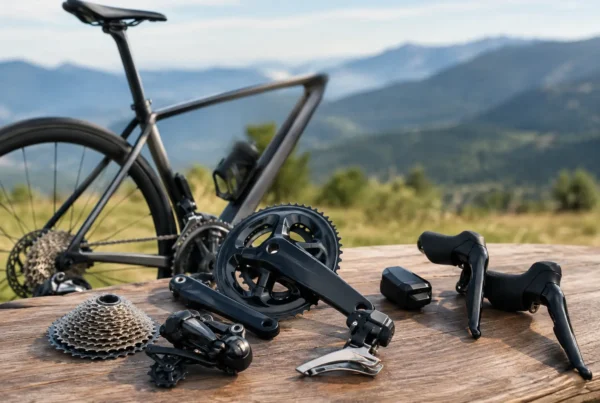
Electronic shifting is a natural match for an integrated aero build. Shimano Di2 and SRAM AXS both deliver clean shifting and fewer exposed cables, although their installation requirements differ. Check derailleur compatibility, battery location, charging access and whether the frame supports the groupset generation you plan to use.
Wheel choice should be considered at the same time. Confirm the axle standard, rotor mount and maximum tyre clearance with the actual wheel and tyre combination in mind. Rim width changes the final tyre shape, and a tyre that technically fits can still leave too little clearance for wet-weather debris. For UK training mileage, a little extra room is often worthwhile.
Also look closely at the cockpit. Fully concealed routing offers the cleanest finish but may limit bar width, stem length or aftermarket upgrades. A semi-integrated design can be a smart middle ground for riders who expect to refine their fit over time or prefer simpler maintenance. Neither approach is automatically better – it depends on whether maximum visual integration or future flexibility matters more.
Where aero gains are worth paying for
The strongest aero framesets tend to justify their price through more than tube shaping. You are paying for engineering around stiffness, handling, integration, lay-up quality and a system that has been designed to work together. That matters when sprinting out of corners, descending in gusts or holding race pace late into a hard event.
Still, budget honestly for the complete build. A frameset price can look attractive until you add carbon handlebars, an integrated stem, electronic shifting, crankset, wheels, rotors, saddle, tyres and labour. In some cases, a complete bike represents better value. In others, a frameset is the clear winner because you already own high-quality wheels or have precise component preferences.
Prioritise fit and contact points before cosmetic upgrades. Then put serious thought into wheels and tyres, where the feel of the bike can change dramatically. Lightweight components are welcome, but a reliable build that fits perfectly and can be serviced without drama will give more value across a season.
Buy for the race you want to ride
Aero bike frameset options are at their best when they match a clear objective: road-race speed, triathlon efficiency, time-trial precision or fast all-day riding. Be realistic about your terrain, your flexibility and the events on your calendar. The fastest-looking machine is only the right one if you can ride it hard, confidently and comfortably.
For riders building towards their next start line, Trifit Bikes can help turn that choice into a race-ready setup with specialist guidance on fit, frame selection and compatible performance components. Choose the platform that lets you hold your best position for longer, then let the training do the rest.