The first hard effort on a good set of carbon wheels is usually enough to explain the appeal. The bike responds faster, holds speed with less fuss and, on the right road, feels like it wants to keep rolling. But a carbon wheel upgrade is not automatically the best use of your budget. The right choice depends on your riding, your current bike and the races or events you want to target.
For road riders, triathletes and time-trial specialists, wheels can be one of the most noticeable performance changes available. They affect aerodynamic drag, rotating mass, handling and tyre choice all at once. Choose well and you can make a capable bike feel genuinely race-ready. Choose only on rim depth or appearance and you may end up with wheels that are too deep for windy training routes, too narrow for modern tyres or simply mismatched to your priorities.
What a carbon wheel upgrade actually changes
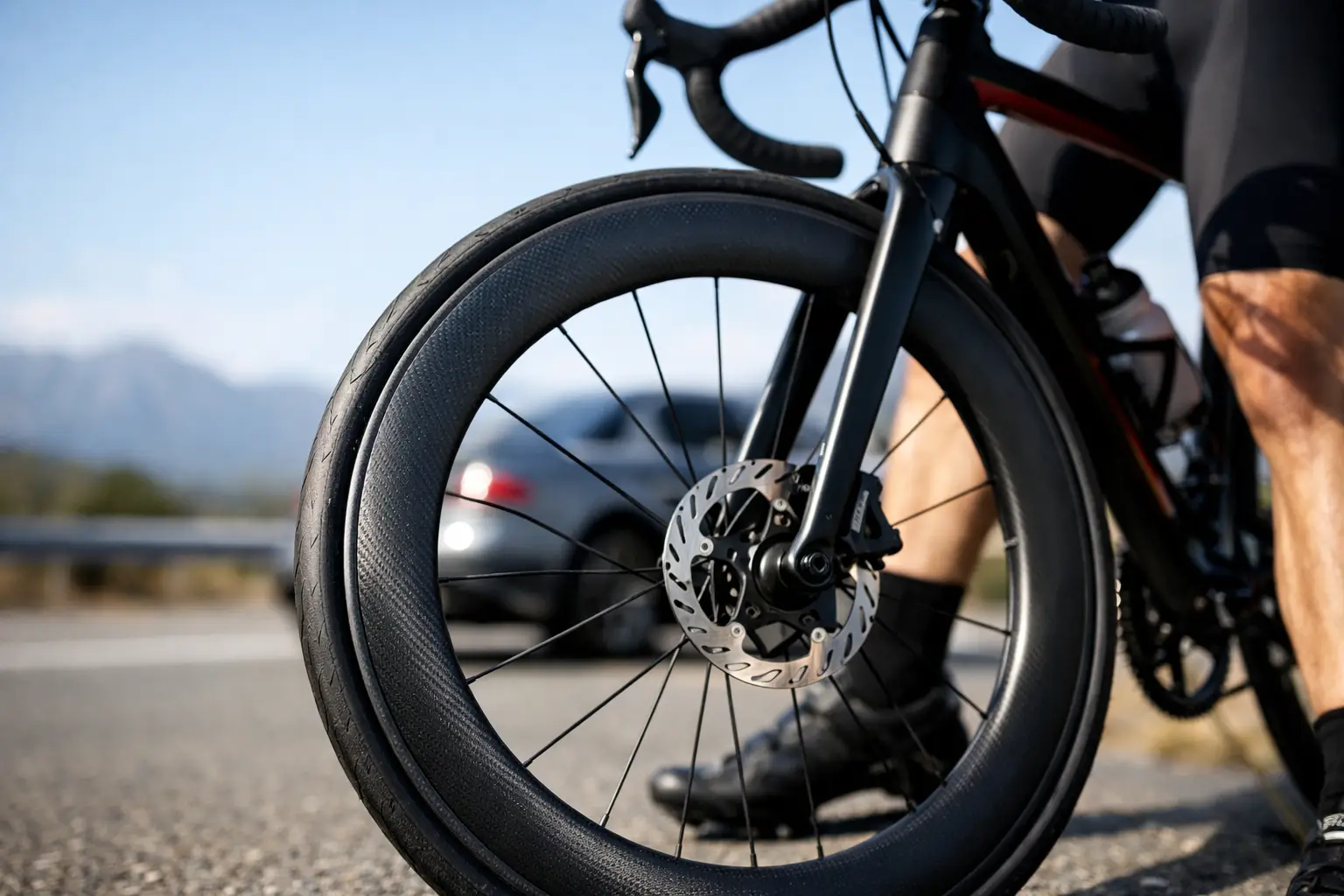
Carbon rims allow manufacturers to shape a wheel more precisely than traditional alloy construction. That matters because the rim is working directly with the tyre and airflow. A modern carbon wheelset can offer a wider internal profile for larger tyres, a deeper aero section for speed and a lower weight than a comparable alloy option.
The gains are most apparent once the road is fast enough for aerodynamic drag to matter. On a flat or rolling solo effort, particularly in a TT or triathlon, deeper carbon wheels can help you maintain pace for the same effort. In a group ride, the difference may feel less dramatic because drafting reduces the aerodynamic load, but acceleration, climbing response and the overall ride feel can still be improved.
Weight deserves some perspective. Lighter wheels are welcome on steep, repeated climbs and during punchy accelerations, yet aerodynamic performance normally offers the larger return on typical road speeds. A rider preparing for a fast half-distance triathlon should not choose a shallow wheelset solely to save a few grams if a deeper, stable option will reduce drag over most of the course.
Choosing carbon wheel depth for your riding
Rim depth is the decision most riders focus on first, and it is a sensible place to start. There is no universal best depth. Your speed, rider weight, roads and tolerance for crosswinds all matter.
Shallow to mid-depth: 35mm to 45mm
A wheelset in this range is often the smartest all-round carbon wheel upgrade for British road riding. It gives a clear aerodynamic and weight advantage over many standard alloy wheelsets without making the bike difficult to manage in gusty conditions. It is a strong option for hilly sportives, mixed-terrain training and riders who want one wheelset for nearly every road ride.
For lighter riders or those regularly riding exposed routes, this depth can inspire more confidence than a deeper section. Confidence matters. A wheel that lets you stay relaxed in a crosswind is faster in practice than one that has you backing off on fast descents.
Deep-section: 50mm to 60mm
For fast road riding, triathlon and time trials, this is the performance sweet spot for many cyclists. A 50mm or 60mm carbon wheelset offers meaningful aero benefit while remaining manageable for most riders in normal conditions. It is deep enough to reward steady, powerful riding and versatile enough for rolling race courses.
This is also the range that can transform a modern aero road bike. If your bike already has electronic shifting, hydraulic disc brakes and quality tyres, upgrading from entry-level wheels to a well-designed 50mm carbon set may produce a more noticeable improvement than changing other components.
Deep aero wheels: 65mm and beyond
Deeper wheels suit a specific job: sustained speed on flatter, more sheltered courses. They are especially effective for dedicated time-trial and triathlon builds, where the rider spends long periods working alone in clean air. A rear disc wheel can take that focus even further where race rules and conditions allow.
The trade-off is crosswind handling. A deep front wheel can be demanding on exposed roads, particularly for lighter riders. Many experienced triathletes therefore pair a very deep rear wheel with a slightly shallower front, balancing aerodynamic gain with control. Course profile and forecast should guide this decision, not just the look of the bike in the transition area.
Tyres and rim width matter as much as the rim
A carbon wheel is only part of the system. The tyre, its casing and the rim’s internal width influence comfort, grip, rolling resistance and aerodynamic performance. Modern road wheels are commonly designed around 28mm tyres, and that combination makes sense for many UK roads.
A wider tyre run at an appropriate pressure can be quicker than a narrow tyre pumped excessively hard. It tracks rough tarmac better, loses less energy to vibration and offers more confidence through corners. For a road racer on smooth circuits, a high-quality 28mm tyre is often the starting point. For endurance riding or rougher lanes, 30mm may be the more effective choice if frame clearance permits.
Check the wheel manufacturer’s approved tyre widths and maximum pressures before fitting anything. Also check clearance at the frame, fork and mudguard mounts where relevant. A fast wheelset should never compromise safe clearance when the road is wet or carrying debris.
Tubeless, clincher or tubular?
Most riders buying premium wheels now should consider tubeless-ready clincher wheels. They work with tubeless tyres and sealant, or with conventional inner tubes if preferred. Tubeless can reduce the risk of small punctures stopping a ride and allows lower pressures for better grip and comfort, although installation can be more involved and sealant requires occasional maintenance.
A tube-type clincher setup remains straightforward, reliable and easy to service at the roadside. It is a practical choice for riders who value simplicity or already have favourite tyres that perform well with tubes.
Tubular wheels still have a place in specialist racing, particularly where low weight and a secure tyre attachment are priorities. For most road cyclists and triathletes, however, the cost, gluing process and roadside inconvenience make tubeless-ready clinchers the more sensible long-term option.
Do not overlook hubs, spokes and braking compatibility
The rim gets the attention, but a wheelset is only as good as its complete build. Quality hubs should run smoothly, engage reliably and have replacement bearings and freehub parts available. Spoke count and lacing pattern affect stiffness, durability and how well a wheel remains true after long mileage on imperfect roads.
Disc-brake carbon wheels are now the obvious choice for most new performance bikes. They offer dependable braking in wet conditions and remove the heat constraints associated with rim braking on long descents. If you ride a rim-brake bike, carbon wheels can still be an excellent upgrade, but you must use compatible brake pads and understand the wheel’s heat limits. On extended alpine descents, braking technique and rim specification become particularly relevant.
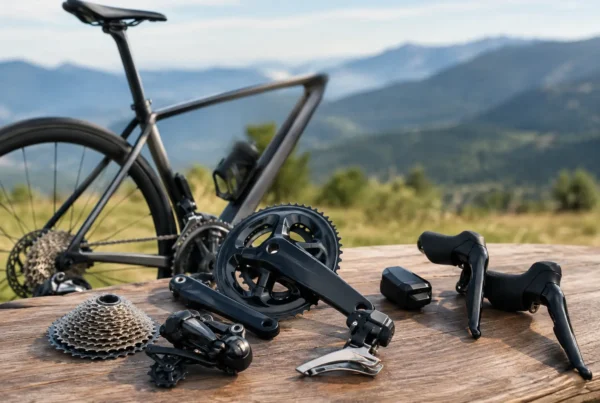
Before ordering, confirm axle standards, rotor fitting, cassette compatibility and freehub body. Shimano, SRAM XDR and Campagnolo setups may require different freehubs. A wheelset that is technically excellent but incompatible with your drivetrain is an expensive delay rather than an upgrade.
When carbon is not the right answer
An alloy wheelset can still be the right purchase. If your current tyres are worn, your chain and cassette are overdue replacement, or your bike fit is limiting comfort and power, address those areas first. Fresh tyres and a properly set position can deliver more usable speed than wheels alone.
Carbon also asks for a bigger financial commitment. Riders using their bike for year-round commuting, winter training and rough urban roads may prefer a durable alloy wheelset for daily use, saving carbon wheels for key rides and events. There is no loss of seriousness in owning two wheelsets with different purposes.
For gravel and cyclocross, carbon brings the same potential advantages in weight and ride quality, but strength, internal width and tyre retention are the priorities. A light road-focused carbon wheel is not automatically suitable for off-road use. Buy for the terrain you ride most, not the category printed on the box.
Make the upgrade work for your bike
The best carbon wheels complement the rest of your setup. Match their depth to your events, their width to your preferred tyres and their freehub to your drivetrain. Then spend time setting tyre pressure properly. That final detail can decide whether your new wheels feel merely impressive or deliver the speed, control and confidence you paid for.
At Trifit Bikes, performance choices start with the intended ride, rather than a single specification. A wheelset should make you keener to pin on a number, commit to the training loop or push deeper into the final kilometres. Pick the one that suits your roads and goals, and every turn of the pedals will have a clearer purpose.