A mountain bike that feels quick on the shop floor can become hard work on your local trail if the fit, suspension and tyre choice are wrong. Knowing how to buy a mountain bike starts with being honest about where you ride, how hard you push, and whether you want to cover ground efficiently or attack technical descents.
The best bike is not necessarily the one with the longest specification sheet or the most travel. It is the one that matches your terrain, gives you confidence, and leaves enough budget for the setup details that make every ride better.
Start with the trails you actually ride
Before comparing carbon lay-ups, electronic drivetrains or wheel sizes, think about your regular routes. A fast, flowing trail centre loop asks different things of a bike than steep woodland singletrack, rocky natural descents or all-day rides in the Peaks, Wales or the Scottish Highlands.
If most of your riding is on bridleways, forest roads and smooth singletrack, a cross-country hardtail or short-travel full-suspension bike is usually the smart choice. These bikes climb efficiently, accelerate sharply and reward consistent pedalling. They are also lighter and simpler to maintain.
For mixed trail centre riding with roots, rock gardens, jumps and steeper descents, look towards a trail bike. Around 130mm to 150mm of suspension travel gives a useful balance of climbing support and descending control. This is the category that suits many committed UK riders because it handles varied conditions without feeling excessive on the way up.
Enduro bikes, typically with 150mm to 170mm of travel, are built for riders who prioritise demanding descents, rough terrain and uplift days. They can still pedal to the top, but their weight, slack geometry and grippier tyres mean they are not the quickest option for long, mellow mileage. Buy this type of bike because your riding genuinely demands it, not because bigger travel sounds safer.
How to buy a mountain bike with the right frame fit
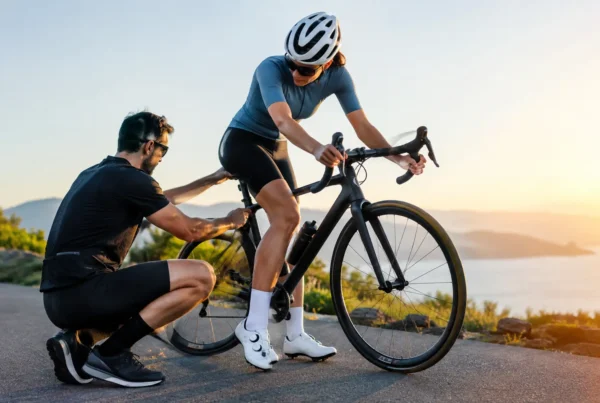
Frame size is the foundation of a good purchase. A premium drivetrain cannot rescue a bike that feels too cramped, too stretched or difficult to control. Manufacturer size charts are a useful starting point, but they are not the final answer. Two bikes marked medium can have very different reach, stack height and riding positions.
Reach is particularly useful when comparing modern mountain bikes. It describes the room available when standing on the pedals, which is where much of technical trail riding happens. A longer reach can create stability at speed, but only if the stack height, stem length and overall geometry work with your proportions and flexibility.
Do not choose a larger frame simply for extra speed or a smaller frame because it feels easier to throw around in a car park. You need enough clearance over the top tube, a comfortable seated position for climbing, and a stable stance when descending. If you are between sizes, your riding style matters. The smaller option can feel more agile; the larger option may offer more stability. Test riding is ideal, but careful geometry comparison and fit guidance are valuable when buying online.
Also factor in the dropper post. On a properly fitted mountain bike, the saddle should reach your efficient pedalling height, then drop well out of the way for descents. A longer-travel dropper is a genuine performance advantage on steep trails, provided your frame and leg length can accommodate it.
Hardtail or full suspension?
This decision shapes the character, cost and maintenance needs of your bike more than almost anything else.
A hardtail has suspension at the front and a rigid rear end. It offers direct power transfer, lower weight for the money and less routine maintenance. It teaches clean line choice and active riding, and a well-specified hardtail can be enormous fun on dry, flowing trails. At a given budget, it will often have better brakes, fork and drivetrain than a full-suspension bike.
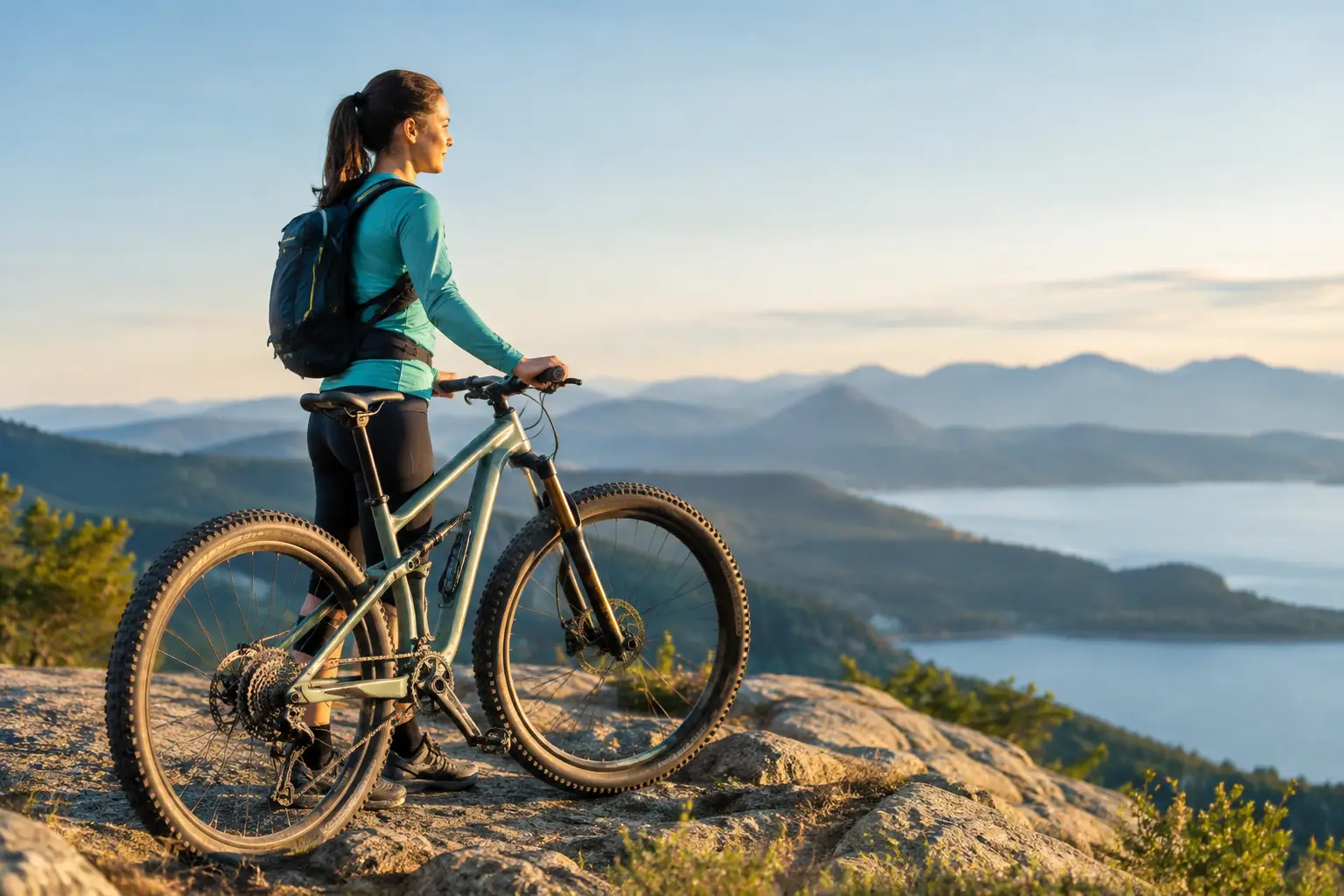
A full-suspension bike adds a rear shock and linkage to absorb impacts at both wheels. It brings more grip, comfort and control on rough terrain, especially when fatigue sets in. It is the better choice for riders tackling rocky, rooty or steep trails regularly, but it costs more and needs periodic bearing, shock and pivot servicing.
There is no universal winner. A hardtail is an excellent performance purchase for fitness-focused riding and smoother trail networks. Full suspension earns its place when terrain and descending speed make traction and composure the priority.
Choose suspension travel and geometry together
Travel figures alone can be misleading. A 140mm bike with efficient suspension kinematics and trail-focused geometry may climb better than expected, while a short-travel bike with aggressive tyres can feel more capable than its numbers suggest.
For a first serious mountain bike, focus on an air fork from a recognised suspension manufacturer. Air springs can be adjusted to your body weight and riding preference, unlike basic coil forks found on many entry-level bikes. Look for rebound adjustment at minimum, which controls how quickly the fork returns after compressing. Compression adjustment and a lockout or firm mode are useful for riders who spend time climbing or riding to the trails.
Modern geometry matters just as much. A slacker head angle improves confidence on steeper descents, while a steeper seat angle places you in a stronger position for climbing. Longer wheelbases increase stability, but can make tight, slow-speed turns less playful. The aim is not to chase the most aggressive numbers. Choose a bike whose intended use matches yours.
Wheels, tyres and brakes are not minor details
Most adult mountain bikes now use 29-inch wheels, and for good reason. They roll over roots and rocks more easily, hold momentum well and offer reassuring stability. Smaller riders, or those who value a more playful feel, may still prefer 27.5-inch wheels. Some bikes use a mixed-wheel setup, with 29 inches at the front for rollover and 27.5 inches at the rear for manoeuvrability.
Tyres have a dramatic effect on speed and confidence. A fast-rolling tyre is ideal for firm, dry trails and cross-country riding, but can feel sketchy on wet roots or loose rock. More aggressive tread and softer rubber improve grip, though they roll slower and wear sooner. For typical British conditions, prioritise dependable wet-weather grip and a tubeless-ready setup over chasing the lightest possible casing.
Hydraulic disc brakes are essential for serious off-road riding. Look beyond the brand name to rotor size and brake specification. Larger rotors manage heat better on long descents, while four-piston calipers offer greater power and control for heavier riders, steep terrain and enduro use. Good brakes reduce hand fatigue and help you ride faster with more control.
Spend money where it changes the ride
When comparing builds, invest in the parts that affect control and durability first: the frame fit, suspension fork, tyres, brakes and wheelset. These are expensive to upgrade later and have a clear effect on how the bike rides.
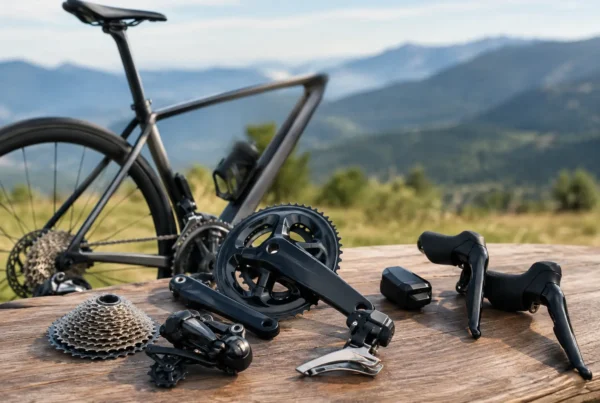
A 1x drivetrain is the standard choice for modern mountain bikes. One chainring simplifies shifting, improves chain retention and leaves a wide range of gears for climbing. Shimano and SRAM groupsets both offer excellent options. The difference between mid-level and top-tier shifting is real, especially in weight and refinement, but it is rarely as transformative as a better fork or tyre setup.
Carbon frames save weight and can offer highly refined ride quality, but aluminium remains an outstanding choice. A quality aluminium trail bike with strong suspension and brakes will usually outperform a carbon bike compromised by lower-spec components. Consider carbon when the complete package fits your budget and riding goals, not simply for the material badge.
Set a budget beyond the bike price
Leave room for the essentials: a properly fitted helmet, pedals, shoes if you ride clipped in, a pump, tubeless sealant, multitool, spare tube or plug kit, lights for winter and suitable trail clothing. If you are moving from casual riding into more technical terrain, coaching or a skills session can improve your confidence more quickly than an expensive component upgrade.
Buying from a specialist retailer should also give you confidence around frame selection, build specification, secure payment and delivery. At Trifit Bikes, the focus is on helping performance-minded riders choose equipment that suits their goals rather than simply chasing the most expensive build.
Before you commit, check the frame size recommendation, intended riding category, suspension travel, wheel size, brake setup and tyre specification. Then picture your usual trail in wet November, not just a perfect summer afternoon. Choose the bike that will make you want to ride that route again tomorrow.