A fast set of wheels looks the part, but bike aerodynamics is rarely won by one expensive component. On a flat, exposed road or into a headwind, your position, clothing and how cleanly you meet the air will usually matter more. Get the fundamentals right and you can hold the same speed with less effort, or turn the same power into a faster ride.
For triathletes and time trial riders, that difference can decide a result. For road riders, it can mean arriving at the final climb with more in reserve, staying with a quicker group or simply making solo miles more rewarding. The goal is not to copy somebody else’s position. It is to reduce drag while retaining the power, comfort and control to ride it well.
Bike Aerodynamics Starts With the Rider
At typical road speeds, air resistance is the main force holding you back. It rises sharply as speed increases, which is why the gains from a more aerodynamic setup become especially valuable above roughly 25 km/h. A modest improvement might feel subtle on a gentle recovery spin, then become obvious during a hard 40 km/h effort.
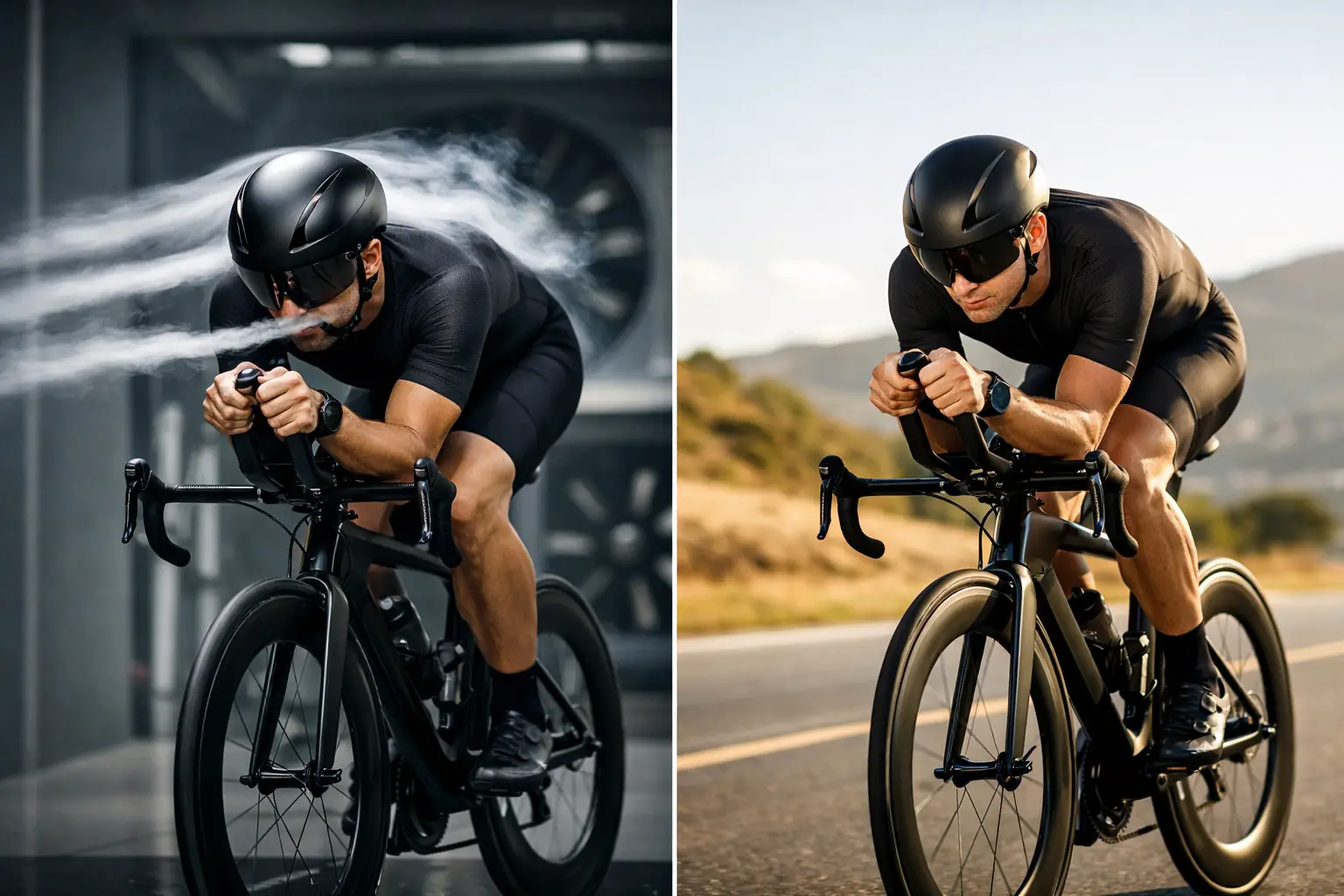
The rider creates the largest share of total drag. Your torso is the biggest object moving through the air, while your arms, knees, helmet and kit can all create turbulence. That makes position the first place to look before choosing a deeper rim or a more aggressively shaped frame.
On a road bike, a lower, narrower posture generally reduces frontal area. Bending the elbows, keeping the shoulders relaxed and using the drops when conditions allow can make a meaningful difference. The key word is sustainable. If a low position causes you to lock your arms, shrug your shoulders or sit up every few minutes, its theoretical advantage disappears on the road.
For TT and triathlon, the cockpit is even more decisive. Forearm height, extension reach, elbow width, hand position and head posture all influence how air passes over the rider. A position that lets you look ahead without lifting your head excessively can be quicker than one that appears more extreme in photographs. Good fit is performance equipment, not an afterthought.
Fit first, then refine the position
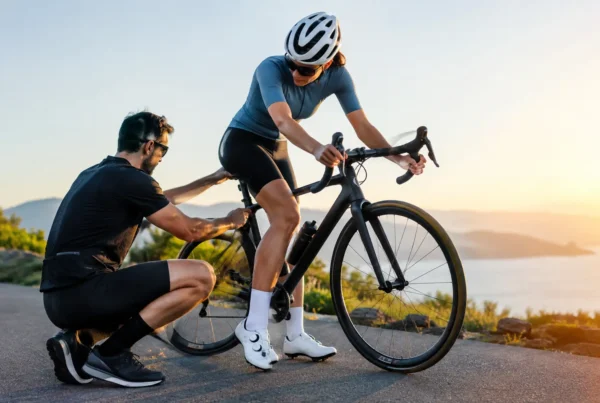
A professional fit provides a sensible starting point, particularly when investing in a premium aero road, triathlon or time trial frame. It should consider flexibility, injury history, event duration and your ability to produce power in the proposed position. A short 10-mile test is not the same as riding 90 km after a swim, or holding an aero position for a 25-mile time trial.
Small changes are easier to assess than a complete overhaul. Lower the front end slightly, adjust pad width, try a different extension angle or move the saddle in measured increments. Then ride the position repeatedly at realistic effort. Comfort is not separate from speed: if you can maintain the position for longer, it is often the faster choice.
Where the Most Useful Aero Gains Come From
Once your position is broadly right, focus on the parts of the system that meet clean air first. An aero helmet, close-fitting clothing and a tidy front end often offer more value than chasing marginal savings at the rear of the bike.
A well-fitted skinsuit or race jersey avoids fabric flapping in the wind. Sleeves, shoulder panels and the fit across the chest matter more than many riders expect. For racing, choose kit designed for the riding position you will actually use. A TT suit built around extended arms may not work as well when worn upright on a road bike.
Your helmet should work with your head and back position. An aero road helmet can be a practical choice for fast group rides, road racing and rolling terrain, combining ventilation with lower drag than a heavily vented traditional design. A dedicated TT helmet can be faster when your head position is stable, but it is less forgiving if you frequently look down or move around in the extensions.
Cable routing and storage deserve attention too, especially on a triathlon bike. Integrated hydration, a close-fitting bento box and a secure rear storage solution can be more aerodynamic than loose bottles, straps and tools hanging in the airflow. The principle is simple: carry what you need, but make every item deliberate and secure.
Frames and Wheels: Choose for the Course
Modern aero frames reduce drag through shaped tube profiles, integrated cockpits and carefully managed airflow around the fork, wheels and bottles. They are a strong choice for riders who spend long periods on flatter, faster roads, race triathlon or TT, or value speed on solo road rides. Many current aero road bikes are also lighter and more comfortable than older designs, so the old choice between fast and usable is less stark than it once was.
That said, an aero frame is not automatically the right frame. A climbing-focused road bike may make more sense for steep, stop-start terrain, frequent mountain riding or riders who prioritise low weight and a lively feel. At lower speeds on steep gradients, aerodynamic drag matters less, while mass, gearing and rider comfort come into sharper focus.
Wheels can be one of the most noticeable equipment upgrades, particularly when replacing shallow, heavy stock wheels. A mid-depth carbon wheelset often gives the best all-round balance for UK roads: aerodynamic enough for quick riding, light enough for changes in pace and manageable in variable weather. Deeper rims can bring greater gains on flatter courses, but crosswinds are the trade-off. If a wheel leaves you tense or forces you to ease off in gusts, it is not delivering its full benefit.
Tyres are part of aerodynamics too. A tyre that sits too wide or too narrow for its rim can disrupt airflow, while poor rolling resistance wastes power regardless of how slippery the bike looks. The fastest setup balances tyre width, rim profile, pressure, road surface and rider confidence. On rough tarmac, a slightly wider tubeless tyre at an appropriate pressure may be faster in real conditions than a narrow, overinflated option.
Do not ignore rolling resistance
Aerodynamics dominates at speed, but it does not cancel out other losses. A clean, lubricated drivetrain, correctly inflated tyres and properly aligned brakes are straightforward gains. So is removing unnecessary friction from worn bearings or a rubbing disc rotor. These are not glamorous upgrades, but they make sure your power reaches the road.
Test Changes Like a Racer
The temptation is to change several things at once: new wheels, new helmet, lower bars and different tyres. That may create a faster bike, but you will not know what drove the result or whether one change compromised your comfort.
Use a familiar stretch of road, similar weather and a repeatable effort. A power meter helps, but consistent perceived effort and speed can still reveal useful patterns over multiple rides. Better again, use a controlled out-and-back route so a headwind in one direction is balanced by a tailwind on the return.
When assessing a position or component, look beyond a single fast segment. Ask whether you could sustain it for your target event, fuel and drink safely, corner confidently and still produce power late in the ride. The fastest setup on paper has little value if it undermines pacing, handling or hydration.
A practical order of priorities is worth following:
- Establish a stable, sustainable riding position.
- Wear close-fitting kit and choose a helmet that suits that position.
- Keep the cockpit, bottles and storage tidy.
- Match wheel depth and tyre setup to your roads and race conditions.
- Consider an aero frame when it supports your main riding goals.
Make the Fast Position Your Normal Position
Aerodynamic gains are not reserved for race day. Practise using the drops on the road bike and spend regular, controlled time in the extensions on a TT or triathlon bike. Build duration gradually, particularly if your neck, shoulders or hip flexors are not used to the position. Strength and mobility work can help, but there is no substitute for riding the position you intend to race.
Conditions still matter. In heavy crosswinds, wet descents, traffic or unpredictable group riding, control takes priority over chasing a lower CdA. Sit up when you need visibility, braking access or a more confident grip. Smart riding is fast riding over the whole course, not just on the straightest section.
For riders choosing a new race-ready bike or frame, Trifit Bikes can help turn the specification sheet into a setup that makes sense for your event, fit and ambitions. Start with the rider, choose equipment that works together, and give yourself enough time to adapt. The best aerodynamic upgrade is the one you can hold when it counts.