A wheel upgrade can change the character of a bike more than almost any other component. In the carbon wheels vs alloy wheels decision, the right answer is not simply whichever option is lighter or costs more. It is the wheelset that matches your riding, your tyres, your roads and the result you are chasing.
For a triathlete trying to hold speed on exposed sections, deep carbon rims can be a serious advantage. For a road rider who wants dependable performance through winter training, a quality alloy wheelset may make more sense. The detail matters, because a wheel that looks fast on a product page must also feel right at 45 km/h in crosswinds, during a long sportive, or on a rough local descent.
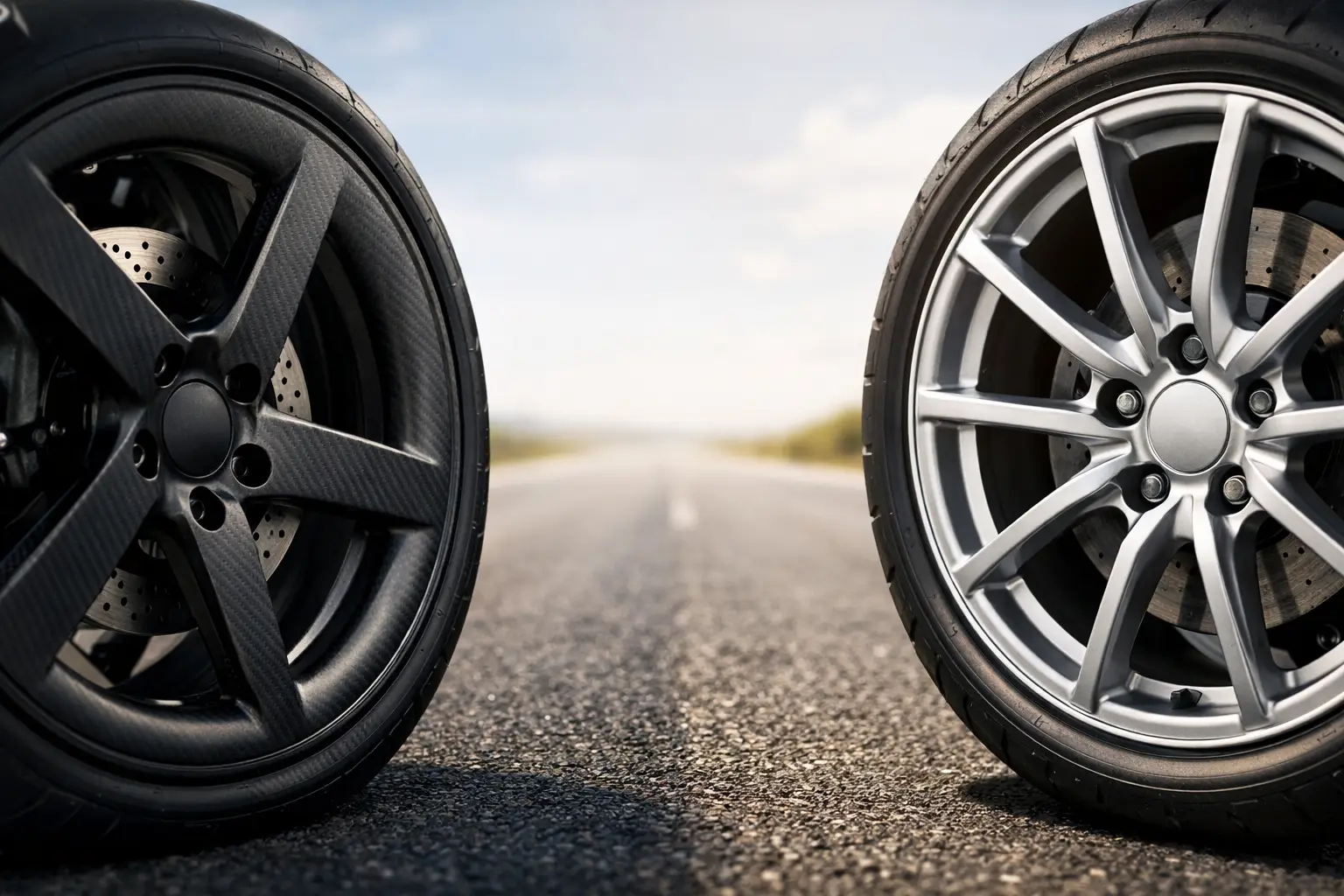
Carbon Wheels vs Alloy Wheels: The Core Difference
Carbon fibre allows wheel brands to create deep, wide and aerodynamically shaped rims without a huge weight penalty. That makes carbon the natural choice for many race-focused road, TT and triathlon wheelsets. Rim profiles can be optimised for airflow, while modern hookless and hooked designs can support wider tyres at lower pressures.
Alloy wheels use aluminium rims. They are generally less expensive, highly durable and straightforward to live with. Aluminium cannot be moulded into the same deep, sophisticated aerodynamic profiles as carbon without becoming heavy, so alloy wheels tend to favour shallow to mid-depth designs. That does not make them slow. A good alloy wheel with quality hubs, spokes and tyres can be quick, responsive and more than capable for fast group rides, climbing days and everyday mileage.
The material is only one part of the package. Rim depth, internal width, spoke count, hub engagement, tyre choice and rider weight all influence how a wheelset performs. Comparing a premium 50 mm carbon wheel to an entry-level alloy training wheel is rarely useful. Compare wheels designed for the same job and the choice becomes clearer.
Aerodynamics: Where Carbon Takes the Lead
If outright speed is the priority, carbon has the advantage. Deep-section carbon wheels reduce aerodynamic drag by smoothing the air around the rotating wheel. On flat or rolling terrain, and especially at higher speeds, this can save meaningful energy over a long ride or race.
For time trials and triathlon, wheel depth is often one of the most effective upgrades after position, helmet and tyres. A 50- to 65-mm carbon wheelset offers a strong balance of aerodynamic gain and handling for many riders. Deeper options can be faster in calm conditions, although they demand greater confidence when wind gusts hit from the side.
Modern carbon rims are also often wider externally and internally than older designs. This supports 28 mm or 30 mm tyres with a more aerodynamic tyre-to-rim transition and a larger air volume. The result can be lower rolling resistance, improved comfort and better grip, provided tyre pressure is set properly.
Alloy wheels can still deliver useful aero benefits, particularly in mid-depth designs. But if your goal is to make free speed on a road bike, build a faster triathlon setup or gain an advantage in a fast criterium, carbon is the more compelling platform.
Weight and Acceleration: Look Beyond the Headline
Carbon has a reputation for being lighter, but the comparison is not always so simple. A lightweight climbing-focused alloy wheelset can weigh less than a deep carbon aero wheel. The difference comes down to intended use rather than material alone.
That said, carbon makes it easier to build a wheel that is both reasonably light and aerodynamically deep. This is why 40- to 50-mm carbon wheels have become such a popular all-round choice. They can offer a lively feel on climbs while retaining the speed benefits that shallow alloy rims cannot usually match.
Riders often describe carbon wheels as accelerating faster. Some of that comes from lower rim weight, but a large part is the overall stiffness and responsiveness of the wheelset. The sensation is real, though it should not be overstated. On a long climb, total system weight – bike, rider, kit and bottles – matters far more than a few hundred grams at the rims.
For hilly sportives and mountainous road riding, a shallow or mid-depth carbon wheelset is an excellent upgrade if the budget allows. If you are building a reliable bike for mixed-terrain training, a lightweight alloy set can offer excellent value without leaving you behind.
Handling, Comfort and Crosswinds
A wheel must inspire confidence, not just produce a fast average speed. This is one area where the best choice depends heavily on the rider and their usual conditions.
Carbon rims are stiff, and high-quality designs can be tuned to provide excellent ride quality. Wider tubeless-ready rims paired with suitable tyres can feel controlled and comfortable over imperfect roads. Carbon does not automatically mean harsh.
However, very deep carbon wheels can be affected by crosswinds. The latest rim profiles are much more stable than older V-shaped designs, but a gust can still create steering input through the front wheel. A heavier rider with strong bike-handling skills may be happy on 65 mm rims in exposed conditions. A lighter rider, or someone who regularly rides coastal and open moorland roads, may be faster and more relaxed on 40- to 50-mm rims.
Alloy wheels are commonly shallower, which makes them predictably stable in wind. They are a sensible choice for newer performance riders and for anyone who values uncomplicated handling over marginal aerodynamic gains.
Braking and Heat Management
Disc brakes have changed this comparison significantly. With braking moved from the rim to the rotor, carbon wheel manufacturers no longer need to compromise the rim for brake-track performance. Carbon disc-brake wheels now offer confident stopping in wet weather, with braking feel determined more by your rotor and pad setup than rim material.
For rim-brake bikes, alloy retains a practical advantage. Aluminium brake tracks generally provide more consistent braking in heavy rain and handle heat well on long descents. Modern carbon rim-brake surfaces are vastly improved, but they require the correct pads and more attention to heat management. Riders who spend long days descending alpine passes may still favour alloy for its reassurance and simplicity.
Durability, Repairs and Everyday Use
Alloy wins for straightforward durability. Small dents, cosmetic marks and minor knocks are often less stressful, and alloy wheels can usually be trued easily by a competent workshop. Replacement costs are also lower, which matters when a bike is used for daily commuting, winter roads or frequent travel.
Carbon is tough, but it needs a different approach. A carbon rim can cope with hard riding and rough British road surfaces when it is properly designed and maintained. Yet a sharp impact may cause damage that is not immediately obvious. Any deep gouge, crack, soft spot or unusual creak deserves inspection before the next ride.
A damaged alloy rim usually makes its condition obvious. Carbon demands more care, but premium wheelsets are not fragile ornaments. Choose a reputable wheelset with an appropriate rider-weight limit, use the correct tyre pressures, and avoid treating potholes as a test of equipment.
For gravel, the decision becomes especially personal. Carbon gravel wheels can bring lower weight, wider rim profiles and excellent ride feel, while alloy wheels are a cost-effective choice for riders learning tyre pressures and tackling rocky, unpredictable routes. If you expect regular hard impacts, the savings from alloy can be put towards excellent tyres and a tubeless setup – upgrades that often make a bigger real-world difference.
Cost: Performance per Pound Matters
The largest barrier to carbon is price. A good carbon wheelset costs considerably more than a comparable alloy option, and the cost of replacement after a crash can be substantial. For racers and committed enthusiasts, the speed, weight and visual impact can justify the investment. For many riders, it is the upgrade that makes a favourite bike feel genuinely race-ready.
Alloy delivers outstanding performance per pound. Spend wisely on a well-built set with reliable hubs and quality spokes, then pair it with fast tyres. This combination is often quicker and more enjoyable than fitting cheap carbon wheels with poor bearings, inconsistent build quality or questionable rim design.
Do not choose carbon solely for appearance. Equally, do not dismiss it as a luxury item if your riding is focused on racing, triathlon or fast road miles. A properly selected carbon wheelset can be one of the most noticeable performance upgrades available.
Choosing the Right Wheelset for Your Riding
For TT and triathlon, carbon is usually the clear choice. A deep rear wheel and a manageable front rim depth can improve speed without making the bike difficult to control. Your course profile, wind conditions and confidence should guide the final depth.
For performance road riding, a 40- to 50-mm carbon wheelset is the versatile sweet spot for many UK riders. It is fast on rolling terrain, light enough for climbing and visually at home on modern aero or all-round race bikes.
For winter training, commuting and riders prioritising value, alloy is hard to beat. It is dependable, easier to maintain and leaves more budget for tyres, clothing, events and the miles that build fitness. A second alloy wheelset can also keep premium carbon race wheels fresh for key rides.
At Trifit Bikes, fit and intended use should sit alongside specification when choosing a wheelset. The fastest option is the one you can ride confidently, maintain properly and use often. Pick the wheels that suit your next target event, then make sure your tyre setup and pressures allow them to deliver what they promise.