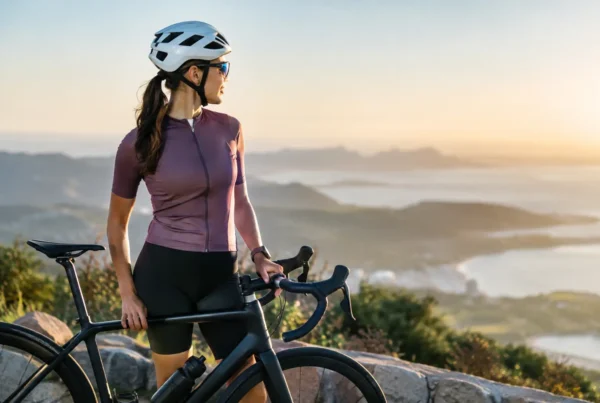
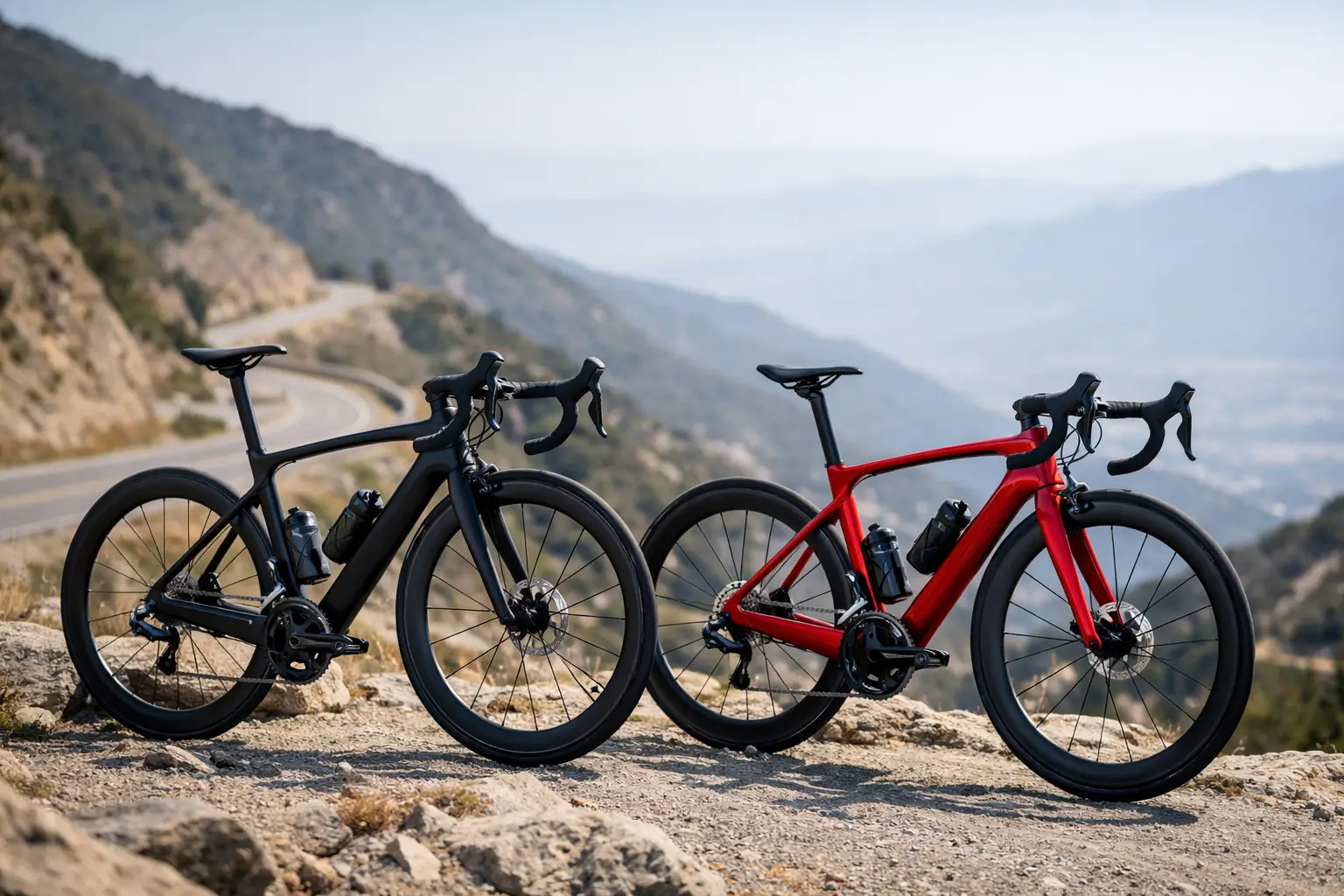
A £7,000 road bike is not simply a £3,000 bike with a brighter paint finish and a smaller weight figure. The best premium road bikes feel calmer at speed, sharper through a bend and more responsive when the road pitches upward. More importantly, they provide performance gains that a committed rider can use every week, whether the target is a fast club run, a sportive personal best or a race result.
The value is not identical for every rider. A light, race-focused machine can be transformative on hilly routes, yet less comfortable on broken roads. An aero build may save meaningful energy at high speed, but its deeper wheels can be less forgiving in strong crosswinds. Choosing well means understanding where the money goes, then matching it to the way you actually ride.
What separates premium road bikes from the rest?
At this level, the frame is more than the foundation for a list of components. Carbon lay-up, tube shaping and frame integration are engineered to deliver a specific ride character. Some frames prioritise low weight and rapid climbing response. Others are designed around aerodynamic efficiency, stable handling and the ability to hold speed when the effort is high.
A premium frame should feel composed rather than merely stiff. When you stand on the pedals, power should translate cleanly into forward motion. When you descend on imperfect tarmac, the bike should track predictably instead of chattering across the road. That balance between lateral stiffness, vertical compliance and confident handling is difficult to create, and it is one of the clearest reasons high-end frames cost more.
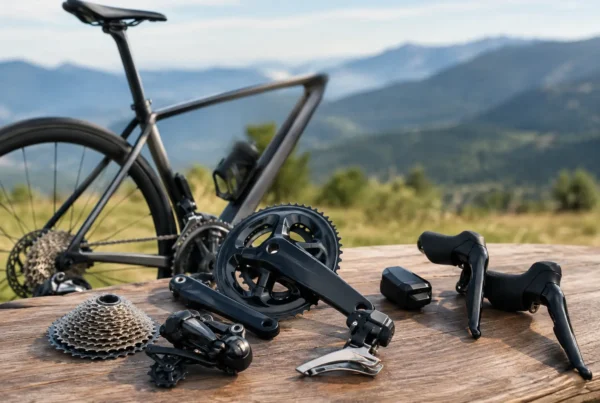
The best builds also arrive with components that complement the frame rather than simply inflate a specification sheet. Electronic shifting from Shimano Di2 or SRAM AXS gives crisp, consistent shifts under load. Carbon wheelsets reduce rotating mass and can improve aerodynamic performance. Quality finishing kit provides a wider range of meaningful adjustment, which matters when small changes to reach, bar width or saddle position affect comfort over four hours in the saddle.
Start with your riding, not the headline specification
It is tempting to buy the lightest bike in the category or the model used by a favourite WorldTour rider. That can work, but only if the geometry, terrain and riding goals suit the choice. The better question is: where do you want the bike to make you faster?
For fast roads, racing and flat-to-rolling routes
An aero road bike is built for riders who want to carry momentum. Its tube profiles, integrated cockpit and deep-section wheels are designed to reduce drag, the force that becomes increasingly important as speed rises. For racers, triathletes who want a road bike alongside their TT machine, and strong club riders, that saving can be felt over a long, exposed route.
There is a trade-off. Full integration can make a bike more demanding to adjust, while deep rims require more attention in gusty conditions. The right aero bike is still an excellent all-rounder for many UK riders, but it rewards a stable position and regular riding at pace.
For climbing, sportive days and varied terrain
Lightweight road bikes come alive when the road points up. A low overall weight helps on repeated climbs, while a responsive frame makes accelerations feel immediate. These bikes also suit riders who value a more traditional, direct road feel and regularly face steep lanes or long mountain passes.
Do not judge a climbing bike by grams alone. A slightly heavier model with better tyres, a more suitable gearing range and wheels that hold their speed on descents may be the faster real-world option. On British roads, comfort and control are performance features, not luxuries.
For long miles and all-day confidence
Endurance-oriented premium bikes use a more relaxed geometry, wider tyre clearance and design features intended to reduce fatigue. That does not mean they are slow. Modern endurance frames can be impressively efficient, particularly on rough surfaces where wider tyres and a less aggressive position help you maintain power for longer.
For a rider preparing for a multi-day event, regular sportives or a big summer in the mountains, this category can be the most sensible investment. If you cannot stay comfortable in your position, the gains of a more aggressive race frame disappear quickly.
The components that matter most
A premium bike should be assessed as a complete system. The frame may take centre stage, but a few component choices have an outsized effect on speed, confidence and day-to-day ownership.
Wheels and tyres are often the biggest tangible upgrade. A well-designed carbon wheelset can improve acceleration, cruising speed and handling, while modern 28mm or 30mm tubeless-ready tyres offer lower rolling resistance and more grip than the narrow, high-pressure set-ups of the past. Rim depth should reflect your conditions. Around 40-50mm is a capable all-round choice; deeper options are excellent for speed-focused riding but can be affected by crosswinds.
The drivetrain determines how the bike responds when the effort changes. Electronic groupsets bring fast, reliable shifts, low hand effort and useful customisation. SRAM AXS offers wireless simplicity and broad gearing options, while Shimano Di2 is valued for its refined shift quality and proven ergonomics. Neither is automatically better. Consider the gear range, the lever shape you prefer and how easily you can maintain the system.
Gearing deserves more attention than it receives. A compact chainset and wide-ratio cassette can be ideal for hilly UK riding, even on a high-end race bike. Choosing a sensible lowest gear lets you stay seated, preserve your legs and maintain cadence when gradients turn steep. There is no prize for selecting a gear that looks more professional but limits the routes you can enjoy.
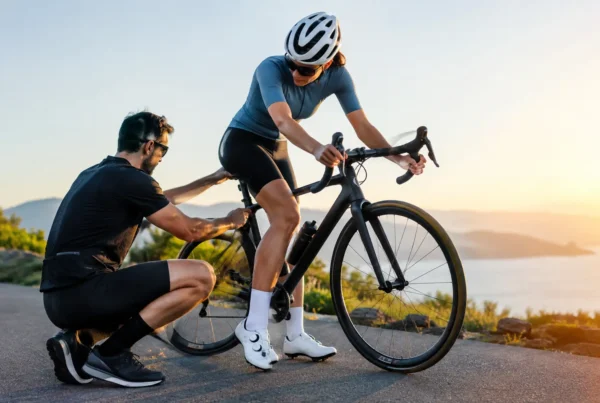
Contact points are personal. Saddles, handlebars, stem length and crank length should support your fit rather than force you into a position that looks fast in photographs. It is common for experienced riders to budget for a saddle change or a professional fit after purchase. That is not a compromise. It is how a high-performance bike becomes your high-performance bike.
Why fit matters more as the bike gets faster
Premium road bikes often have purposeful geometry and integrated front ends. That creates an efficient platform, but it also makes frame selection critical. A bike that is too long, too low or too aggressive can cause discomfort in the hands, neck, back and knees. It may also make the handling feel nervous, especially when fatigue sets in.
Start with stack and reach rather than relying on a size label. Compare those figures with a bike that you already know fits well, then consider the handlebar dimensions and available spacer range. A rider who wants a race position may need a different set-up from a rider of the same height who prioritises long-distance comfort.
A proper fit discussion should cover flexibility, injury history, preferred riding distance and the kind of events on your calendar. It should also account for the adjustments that are realistically available on the chosen model. At this price point, getting that guidance before ordering protects the investment far better than choosing solely by a manufacturer’s height chart.
Spend for the performance you will use
The strongest buying decision is rarely the most expensive option. A flagship build with top-tier electronic shifting and ultra-light wheels is compelling, but a mid-level version of the same frame can be the wiser route if it leaves room for tyres, a power meter, fit work and regular servicing.
Equally, buying an entry-level frame with premium upgrades later is not always the best value. If the frame geometry and intended use are right, upgrades can make sense. If the frame itself does not deliver the handling, tyre clearance or aerodynamic design you need, no component swap will change its underlying character.
Think in terms of a complete season rather than a single purchase. Include pedals, bottle cages, lights for winter riding, puncture equipment and insurance in the budget. A premium bike is built to be ridden hard, but it should also be protected and maintained accordingly. Keeping the drivetrain clean, checking torque settings and servicing bearings on schedule preserves the performance that made the bike special in the first place.
Buy with confidence, then ride it properly
The right premium road bike gives you a reason to choose the longer route home. It makes hard efforts more rewarding, inspires confidence on fast descents and holds its speed when others begin to fade. But the winning model is the one that matches your routes, your position and your ambitions, not simply the one with the highest price.
At Trifit Bikes, the focus is on helping serious riders make that choice with confidence. Select the frame and build that support your goals, make fit a priority and put the bike to work on the roads that matter to you.