You can spot the confusion a mile off. A rider sees deep wheels, aero bars, a steep-looking front end and an aggressive frame shape, then asks the obvious question: are triathlon and time trial bikes the same? From a distance, they can look nearly identical. Up close, and more importantly in use, the differences matter.
If you’re shopping for a fast bike, this is not a small detail. The wrong choice can leave you with a bike that is brilliant on paper but awkward for your racing, uncomfortable over distance, or simply not legal for the events you actually ride. For serious riders spending proper money on an aero machine, the distinction is worth getting right.
Are triathlon and time trial bikes the same in practice?
Not really. They share the same broad mission – cutting drag and helping you ride faster against the clock – but they are built around slightly different demands.
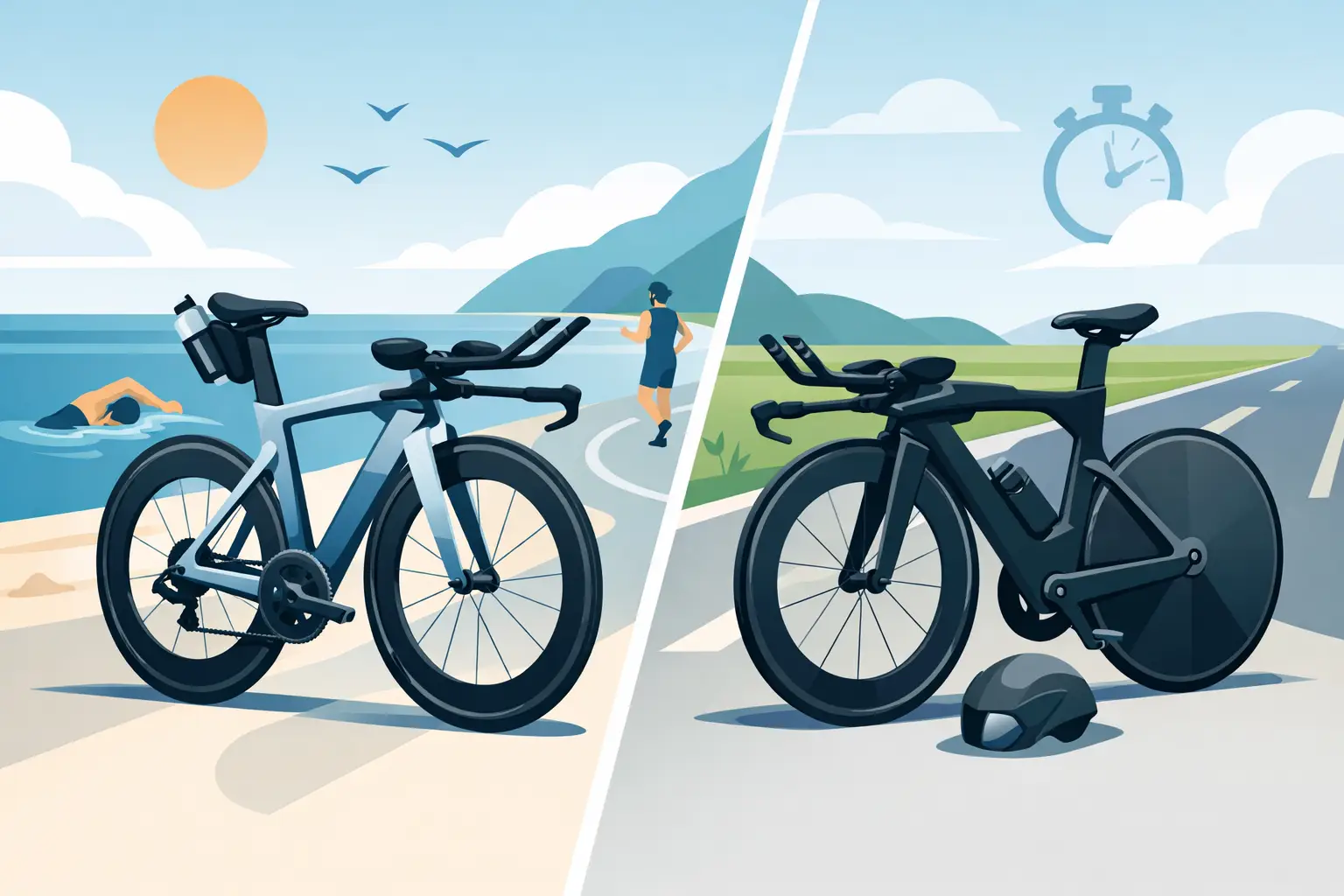
A time trial bike is designed first around racing under governing body rules, especially where position, frame shape and cockpit dimensions must comply with event regulations. A triathlon bike is designed around non-drafting triathlon performance, where the rider needs to stay aerodynamic while also preserving the body for the run that follows. That changes the fit philosophy, and sometimes the storage, hydration and overall rider position too.
This is why one bike can feel sharper for a 10-mile club TT, while another feels better suited to holding power for a middle- or long-distance triathlon. They live in the same performance category, but they are not always interchangeable.
The biggest difference is rider position
If you strip away the marketing language and look at what actually affects speed and comfort, fit is the real divider.
Triathlon bikes favour a run-friendly position
Triathlon geometry often places the rider slightly further forward. That can help open the hip angle while still maintaining an aggressive aerodynamic posture. The goal is not only speed on the bike leg, but also arriving at T2 with the legs in better condition for the run.
For many triathletes, especially over longer distances, that forward position feels more sustainable. It can reduce the sense of being folded up at the top of the pedal stroke and make it easier to stay aero for long stretches without constantly shuffling around.
Time trial bikes are often shaped by regulation
Time trial bikes, particularly those intended for UCI-governed racing, are more restricted. Saddle setback rules, extension length limits and cockpit dimensions can all influence how far forward a rider is allowed to sit. So while the frame may still be extremely aero and aggressive, the position can be less open and less flexible in setup than a dedicated triathlon machine.
That does not make a TT bike slower. In the right event, under the right rules, it is exactly the right tool. But it does mean the fit brief is different from a triathlon bike built for unsupported solo speed over longer durations.
Handling is similar, but the use case changes things
Both bike types prioritise aerodynamics over nimble all-round road manners. You are getting a machine designed to go fast in a straight line, carry speed efficiently and reward a committed aero position.
That said, how the bike feels underneath you depends on the event. A pure TT setup may be dialled for shorter, harder efforts where precise fit and maximum speed take priority over storage, fuelling access or all-day comfort. A triathlon setup often has to work over far longer distances and may include integrated hydration, nutrition storage and a cockpit arrangement that makes self-supported racing easier.
For riders who mostly race local TTs, a tri bike with lots of integrated extras may be unnecessary. For riders heading into 70.3 or full-distance events, those same features can be genuinely useful rather than cosmetic.
Are triathlon and time trial bikes the same under race rules?
This is where many buying mistakes happen. Even if the bikes look alike, race eligibility can separate them quickly.
Time trial regulations can be strict
If you race under Cycling Time Trials rules in the UK, or under UCI regulations in other formats, your bike setup may need to meet specific requirements. That includes saddle position, bar extensions and in some events even aspects of frame design.
A bike marketed as a triathlon model may still be usable for some TTs, but not always in the position you would ideally want. Likewise, a TT bike built around regulations may not give a triathlete the same positional freedom they want for long-course racing.
Triathlon rules are usually more permissive
Non-drafting triathlon tends to allow more freedom in rider position and bike configuration. That is why triathlon bikes often push further into integrated storage, hydration systems and fit options that would be less relevant, or less legal, in a classic time trial setting.
Before buying, it is worth being brutally honest about your calendar. If most of your events are triathlons, buy for triathlon first. If you mostly race club tens, open TTs or regulated stage-race time trials, a TT-first bike makes more sense.
What about the frames themselves?
Sometimes the distinction is clear. Sometimes it is mostly in the build kit and fit options.
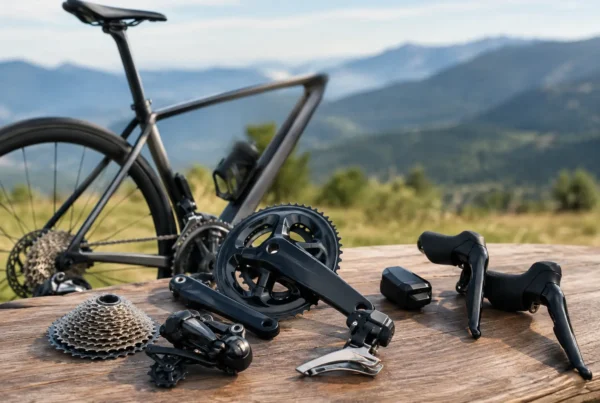
Many premium aero platforms can be configured for either triathlon or time trial use depending on the cockpit, seatpost options and how the bike is set up. That is why you will often see overlap in the market, especially at the higher end. One frame may be sold in different trims or adapted for different disciplines.
But overlap does not mean no difference. A frame with greater positional adjustability, integrated storage and tri-specific hydration support is still serving a different rider need from a frame designed to tick every compliance box for regulated TT racing.
For buyers looking at brands such as Cervelo, Argon 18 or Factor, this is where specialist advice matters. The fastest bike is not simply the most aero frame. It is the bike that lets you hold your best legal, sustainable position for the event you actually do.
Which should you buy?
The answer depends less on what sounds faster and more on how you race.
If you are a triathlete focused on non-drafting events, especially middle- and long-distance racing, a triathlon bike usually makes more sense. The fit tends to support long periods in the aero position, and the practical details around fuelling and hydration are often better thought through.
If you are racing formal time trials, especially where rule compliance matters, a dedicated time trial bike is the safer bet. You are buying with the event in mind rather than trying to force a near match.
If you do a mix of both, then the decision becomes more nuanced. Some riders are best served by a versatile aero platform that can be adjusted between tri and TT priorities. Others are better off choosing the discipline they care about most and optimising for that, rather than chasing a compromise that is never quite perfect.
The buying mistake to avoid
The biggest mistake is assuming all aero bikes in this category are interchangeable. They are not. Two bikes can share deep tube profiles, hidden cables and similar wheel choices, yet deliver a very different fit window and ownership experience.
That matters because premium bikes are significant purchases. At this level, you are not just buying carbon and components. You are buying a position, a handling feel, a race-day setup and a level of confidence. Secure payment and fast shipping matter, of course, but so does getting the frame and geometry right from the start.
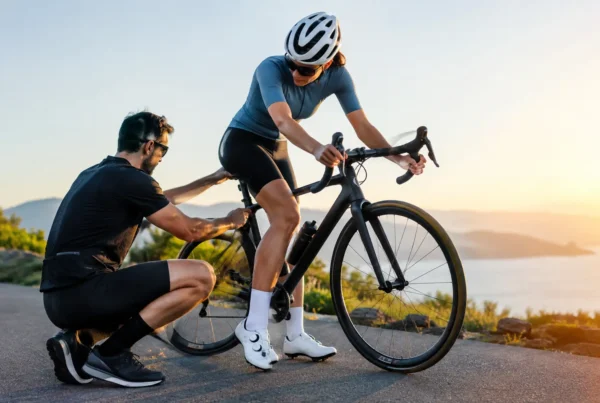
This is exactly why fit guidance should sit near the top of your checklist. If you already know your pad stack, reach, saddle setback preferences and target events, the shortlist becomes much clearer. If you do not, expert support is often what saves you from an expensive wrong turn.
So, are triathlon and time trial bikes the same?
They are close relatives, not twins. Both are built for speed. Both are aero-first. Both suit riders who care about performance rather than casual versatility. But triathlon bikes are typically designed around sustainable non-drafting race performance and run readiness, while time trial bikes are more often shaped by regulatory demands and pure against-the-clock competition.
If you are choosing between them, start with your events, then your fit, then the frame. That order usually leads to the right bike far faster than chasing whichever model simply looks the most aggressive. And when you get that choice right, the bike stops being a question mark and starts doing what it should – helping you ride hard, stay aero and arrive on the start line with complete confidence.