If you are comparing a tt bike vs tri bike, you are already past the casual browsing stage. You want speed, a cleaner aero position, and a bike that matches how you actually race or train. The problem is that these two categories look similar at first glance, yet the differences matter once fit, handling and race regulations enter the picture.
That is where plenty of riders get caught out. A bike can look fast on the product page and still be the wrong choice for your events, your position or your local roads. If you are spending serious money on a performance machine, the right answer is not the bike with the sharpest silhouette. It is the one that lets you hold power, stay aero and ride within the rules that apply to you.
TT bike vs tri bike: the short answer
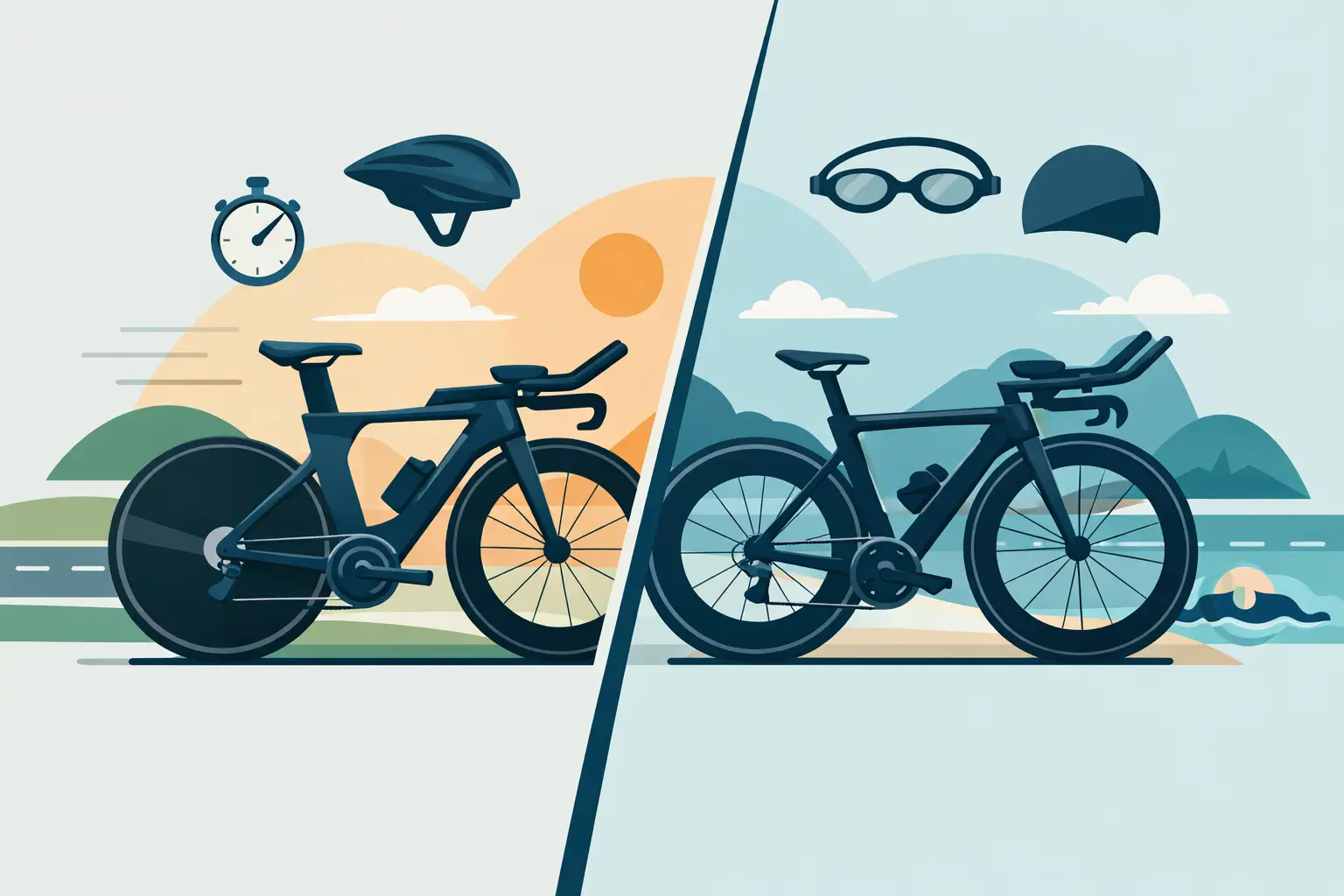
A time trial bike is built around UCI race regulations and short, all-out efforts where aerodynamics and power delivery are everything. A tri bike is built around triathlon demands, where you need to ride fast in an aero position and still run well afterwards.
That changes the fit and geometry in meaningful ways. TT bikes tend to place the rider in a position that suits pure speed against the clock, often with stricter setup constraints if you are racing under UCI rules. Tri bikes usually push towards a steeper seat angle and a position that opens the hips a bit more, helping riders stay efficient on the bike leg and transition into the run with less compromise.
If you are lining up for club TTs, open time trials or UCI-governed events, a TT bike is often the right tool. If you are racing triathlon, especially middle- and long-distance, a tri bike usually makes more sense.
Why they look similar but ride differently
From a distance, both bikes share the same visual language. Deep tube profiles, integrated front ends, aero bars and hidden storage or cabling all point to one thing: speed. But similar shapes do not mean identical intent.
A TT bike is designed to be the fastest possible option within a time trial framework. Handling can feel sharper, the front end may be lower, and the entire setup revolves around sustaining maximum speed for the duration of the effort. It is a race weapon.
A tri bike still prioritises aerodynamics, but it has a slightly broader brief. It needs to be fast, stable and manageable over longer distances, often on more varied courses, while supporting a position that does not completely empty the legs before the run. For many triathletes, especially age-group riders, that balance matters more than chasing a marginal gain that only works in a shorter, more aggressive setup.
Geometry and fit are the real dividing line
The biggest difference in the tt bike vs tri bike debate is not the frame profile. It is rider position.
Tri bikes commonly use a steeper effective seat tube angle. In practical terms, that shifts the rider slightly forwards over the bottom bracket. This can help preserve the hip angle while staying low at the front, making it easier to produce power in an aero position without feeling too folded up. It also tends to leave the legs in a better state for the run.
TT bikes can still be fitted aggressively, but they are more often centred on the demands of time trial competition rather than swim-bike-run efficiency. Depending on the frame and rule set, the position may be less forward-biased. For strong testers chasing short-course speed, that can be ideal. For triathletes riding 90km or 180km before lacing up racing shoes, it may not be.
This is why fit guidance matters so much. Two riders of the same height can need very different frame sizes and cockpit setups depending on flexibility, torso length, intended race distance and target position. The bike is only fast if you can hold the position for the full effort.
Front-end setup and aerobar position
Cockpit adjustment is a major part of the equation. Stack, reach, pad width and extension shape all influence comfort, breathing and control. On a proper performance build, these details are not minor finishing touches. They decide whether your aero position is sustainable or optimistic.
Tri bikes often offer fit flexibility that suits a wider range of athletes, particularly those balancing aerodynamics with comfort over longer events. TT bikes can be equally adjustable in premium builds, but the target position may be narrower and more uncompromising.
Race rules can decide for you
Sometimes the choice is simple because the rulebook makes it simple.
If you race under UCI regulations, a TT bike is the safer category. UCI rules affect saddle setback, extension length, frame dimensions and other aspects of setup. A tri bike designed without those constraints in mind may not be legal for certain events.
Triathlon rules are generally more permissive, particularly in non-drafting formats. That gives manufacturers room to optimise around triathlon-specific fit, integration and storage. Hydration placement, nutrition access and practical long-course features are more common because they serve the reality of tri racing.
If your calendar is mixed, this is where you need to be honest. Buying a tri bike for a season full of UCI-style time trials can create headaches. Buying a pure TT bike for long-course triathlon can work, but it may not be the most rider-friendly solution.
Handling and road feel
Fast bikes are not all fast in the same way.
TT bikes often feel more direct and purpose-built for smooth, committed efforts. On straight or rolling courses where you can stay locked in and drive the pace, that can feel superb. The trade-off is that some riders find them less forgiving when roads get rough, turns get tighter or fatigue builds late into the ride.
Tri bikes usually aim for a touch more stability, especially for age-group athletes spending long periods on the extensions. That does not mean they are slow or dull. A modern tri bike can be exceptionally quick. It simply tends to recognise that real-world triathlon includes feeding, pacing and maintaining control while tired.
For buyers in the UK, road surfaces should be part of the decision. A bike that feels perfect on a clean dual carriageway may feel less convincing on broken B-roads, roundabouts and windy exposed sections. Confidence is speed too.
Storage, hydration and practical speed
This is one area where tri bikes usually pull ahead for triathlon use. Integrated storage, top tube bento boxes, rear hydration options and built-in nutrition solutions are common because they save time and reduce drag when used properly.
A TT bike can be adapted, of course. Riders have been adding bottles and storage to race bikes for years. But tri bikes are often designed around that use from the start, which means cleaner integration and fewer compromises.
If your races are short and you only need a bottle and a gels stash, the difference may be small. If you are planning long-course events, practical speed starts to matter just as much as wind tunnel speed.
Which rider suits a TT bike?
A TT bike is the right call if your focus is time trialling first and foremost. That includes riders targeting club events, open TTs, stage race time trials or any format where bike-leg-only speed is the whole point.
It also suits riders who prefer an aggressive, race-first setup and already know they can sustain it. If you have the mobility, the position awareness and the event calendar to justify it, a proper TT bike is a serious performance tool.
For some riders, there is also a simplicity to the decision. If you are not worrying about running afterwards and your events sit firmly in the time trial world, there is no need to force a triathlon-specific solution.
Which rider suits a tri bike?
A tri bike makes the most sense for athletes racing triathlon regularly, particularly non-drafting events. It is built for the demands of the sport rather than just the bike leg in isolation.
That matters whether you are chasing a podium or simply trying to unlock your best overall race. A position that supports strong power, manageable comfort and a better run is often worth more than a theoretically faster setup that falls apart after an hour.
It is also a strong option for riders who value integrated hydration, fuelling access and stable handling over long distances. Those features are not soft extras. They help you stay organised and efficient when the race starts to bite.
Should you buy one bike for both?
Sometimes yes, but with caveats.
If you mainly race triathlon and only occasionally enter local time trials with relaxed rules, a tri bike can do both jobs well enough. If you mainly race time trials under stricter regulations, a TT bike is the safer all-round answer. The overlap is real, but it is not perfect.
The key question is where the bike needs to excel, not where it merely needs to cope. High-performance bikes reward clarity. If your main target is a half-distance triathlon, buy for that. If your season revolves around testing against the clock, buy for that. Trying to split the difference can work, but only if the fit and race legality still line up.
The smartest way to choose
Forget forum arguments about which category is faster in theory. Start with your races, then your fit, then your willingness to hold an aggressive position for the full effort. That order saves money and usually leads to a faster outcome.
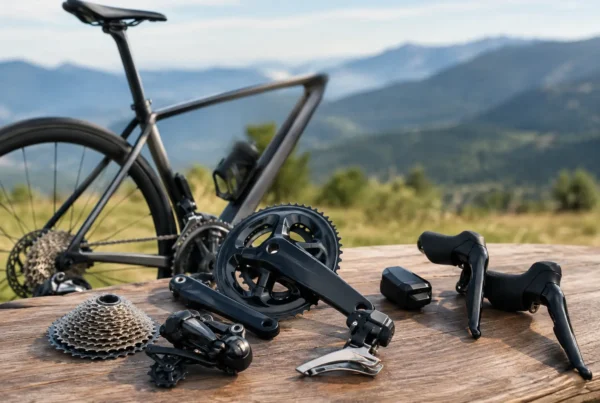
A premium aero bike is a major purchase. Geometry, cockpit range, groupset choice, wheel compatibility and fit support all matter, especially if you are shopping online. That is why specialist retailers matter. Trifit Bikes focuses on serious performance categories for exactly this reason – buyers at this level want expert-backed choice, not guesswork.
The best bike is the one that matches your race calendar and your body, then disappears beneath you when it is time to put power through the pedals. Choose the machine that lets you ride fast for real, not just fast on paper.