A fast gravel bike can feel electric on a dry hardpack climb, then become a handful the moment your route turns into loose flint, wet roots or rutted farm track. Knowing how to pick a gravel bike starts with being honest about the ground you will ride most, not the most dramatic route on your weekend feed.
For performance-minded riders, gravel is not one category. It can mean a quick all-road machine for winter road miles, a race bike for long events, or a confident adventure build for rough bridleways and loaded days out. The right frame, tyre clearance and gearing depend on which version of gravel you actually want to ride.
How to pick a gravel bike for your terrain
Start with your regular routes. If your rides are mostly tarmac, towpaths and firm woodland tracks, prioritise efficiency. A lighter, racier gravel frame with a more stretched riding position and 38-40mm tyres will carry speed well and still take the sting out of poor road surfaces. This is often the strongest choice for road riders who want one bike for winter, mixed-surface training and fast sportives.
If your local gravel includes loose stone, chalk, mud and uneven bridleways, choose control over outright speed. Look for clearance for at least 45mm tyres, stable handling and room to run lower pressures. More tyre volume gives you grip and comfort without needing suspension, and it can make a bigger difference to confidence than a small saving in frame weight.
For rougher routes, bikepacking or long days well away from smooth tracks, consider a bike with 50mm clearance, a more upright fit and mounting points for luggage. It will not feel as sharp in a fast bunch on the road, but it will ask far less of you when surfaces deteriorate. There is no universally best gravel bike. There is only the right compromise for your riding.
Get the frame fit right before comparing components
A premium drivetrain cannot rescue the wrong size. Gravel riding puts more weight through your hands and feet than smooth-road cycling, often for several hours at a time, so fit deserves more attention than a quick stand-over check.
Use your current bike as a reference point. Compare stack and reach rather than relying only on the size label, which varies substantially between brands. Stack influences bar height; reach influences how extended you feel from saddle to bars. A rider moving from an aggressive race road bike may be comfortable with a relatively low front end, while someone planning full-day off-road rides may benefit from more stack and a shorter reach.
You should be able to ride in the drops with relaxed elbows, breathe freely and shift your weight behind the saddle on steep descents. If you are between sizes, the decision depends on your proportions and desired position. The smaller frame can offer a more agile feel and easier adjustment with a longer stem. The larger frame may provide useful front-end height for a tall rider, but it is harder to shorten an overly long reach without affecting handling.
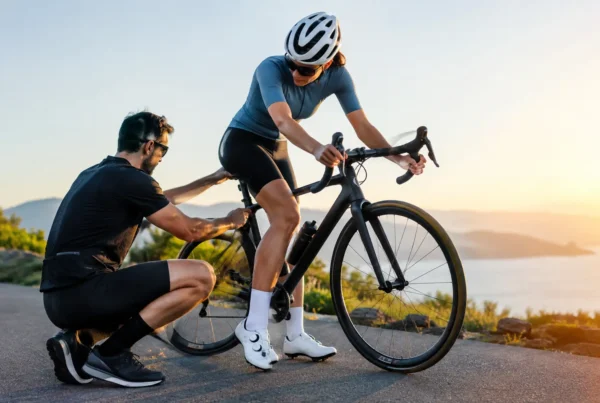
A proper fit discussion is especially worthwhile when buying a high-value frame or complete bike. Consider saddle position, crank length, handlebar width and stem length as part of the purchase, not accessories to solve later.
Tyre clearance is performance, not a specification to ignore
Tyres are the gravel bike’s most influential upgrade. They determine traction, comfort, rolling speed and how much control you have when the route becomes unpredictable.
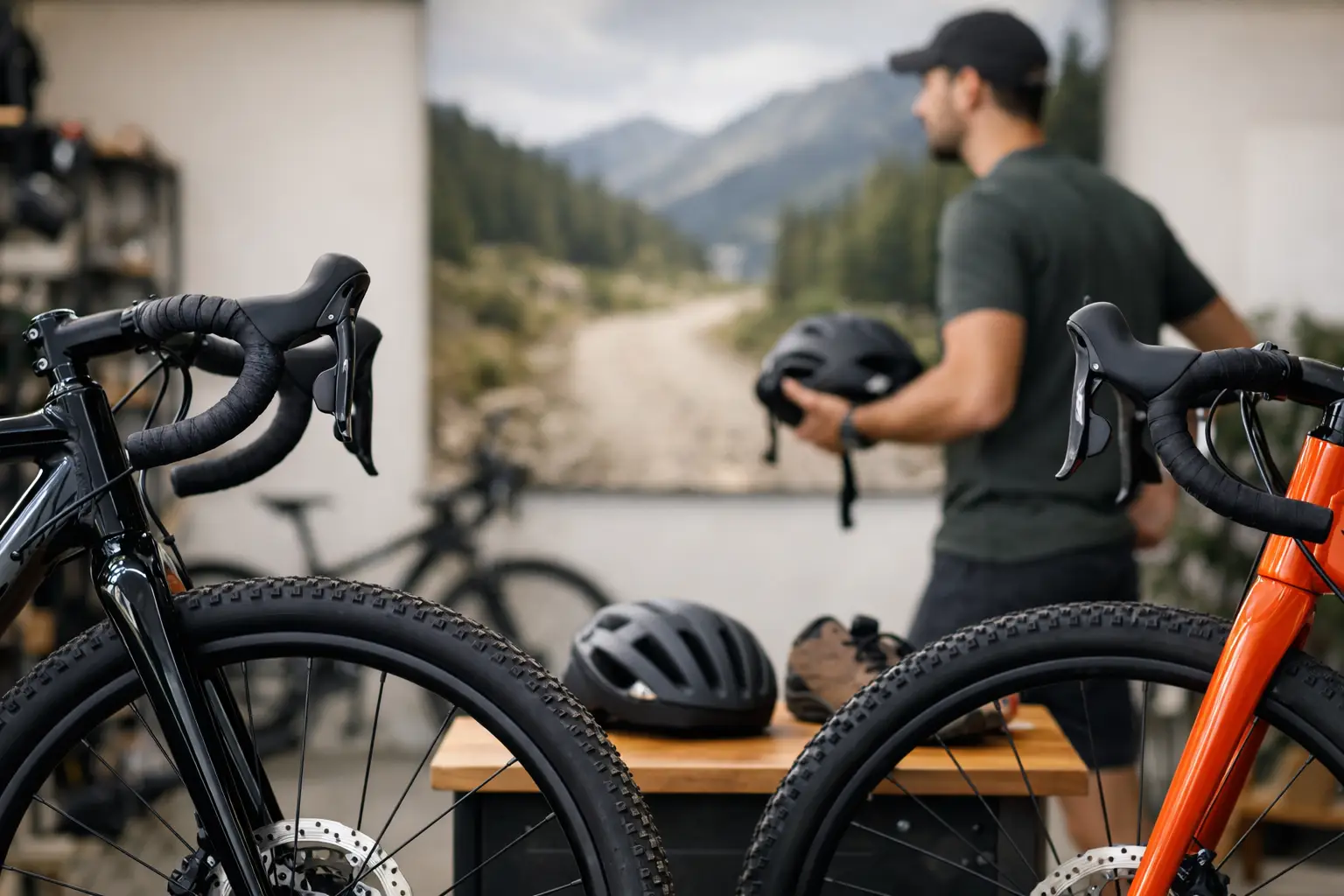
A 38mm fast-rolling tyre suits predominantly hard surfaces and can make a gravel bike feel impressively lively. At 40-45mm, you gain a useful margin for typical British gravel, wet leaves and rough tracks. Wider tyres are not automatically slower: on broken ground, the reduced vibration and added grip can save energy and maintain momentum.
Pay attention to the frame’s stated clearance and leave room for real-world conditions. A tyre that technically fits can clog with mud or collect grit near the chainstays. If you ride through winter, generous clearance is practical rather than excessive.
Tubeless-ready wheels and tyres are worth prioritising. Running tubeless lets you use lower pressures with fewer pinch punctures, while sealant deals with many small thorns and flint cuts before they interrupt a ride. Setup still needs care, and a tubeless repair kit should come with you, but the ride quality gain is substantial.
Choose gearing for hills, load and preferred cadence
Gravel gearing should let you keep turning the pedals when traction is limited and fatigue is building. The ideal range is shaped by your terrain, fitness and whether you carry luggage.
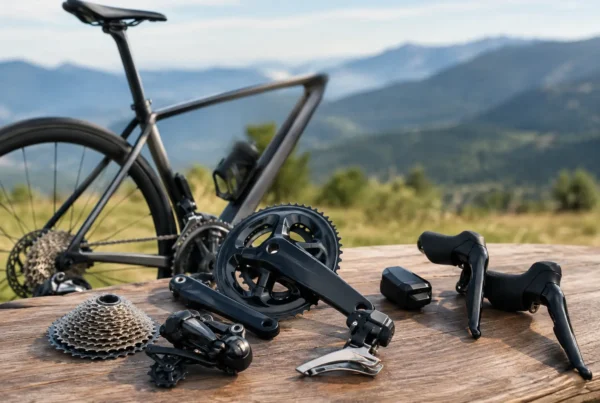
A 1x drivetrain uses a single front chainring and a wide-range cassette. It is simple, secure over rough surfaces and gives excellent chain retention. For most gravel riders, a 40 or 42-tooth chainring paired with a 10-44, 10-50 or similar cassette provides a useful spread. The trade-off is larger jumps between gears, which road-focused riders may notice on fast tarmac sections.
A 2x setup offers closer ratios and a higher top gear, making it attractive for riders who mix long road miles with light gravel. It can also provide a very low climbing gear, depending on the chainset and cassette combination. The front derailleur adds complexity and may be less appealing in deep mud, but modern electronic 2x systems shift exceptionally well.
Do not choose a high gear because it looks race-ready on paper. A lower climbing gear protects your legs on steep, loose ascents and makes a bike more versatile through the winter. If you race on flatter, faster courses, a tighter cassette and larger chainring may be the better answer. Again, it depends on the course and your priorities.
Wheels and handling: decide how sharp you want the bike to feel
Wheel depth matters less on gravel than tyre choice, but wheel quality still changes the ride. A light wheelset accelerates quickly and reduces the effort of repeated climbs. A wider internal rim supports modern gravel tyres better, improving their profile and stability at lower pressures.
For mixed riding, durable alloy wheels are a sensible starting point and leave budget for quality tyres, a fit check and contact points. Carbon wheels can reduce weight and add responsiveness, particularly on a race-focused build, but choose a model designed to tolerate rough impacts. Reliability matters more than marginal aerodynamic gain when your line is littered with stones.
Geometry decides the character of the bike. Shorter wheelbases and quicker steering feel energetic on roads and smooth trails. Longer wheelbases, slacker front ends and lower bottom brackets add stability on descents and loose corners. Neither approach is wrong. A rider chasing speed at an organised gravel event may want a precise, race-led chassis; a rider exploring unfamiliar trails may value calm handling more.
Check the practical details before you buy
The details determine whether a bike suits one brilliant summer route or a full year of riding. Check for mounts if you use mudguards, a top-tube bag, extra bottles or a rack. Look at the maximum rotor size, axle standards and whether replacement hangers are readily available. These are less glamorous than electronic shifting, but they matter when maintaining a bike you ride hard.
Also consider the supplied cockpit. Gravel bars vary in flare, width and shape. A little flare can improve control in the drops on descents, while an excessively wide bar can feel inefficient and strain your shoulders. The stock saddle should not decide the purchase, but factor in the likelihood of changing it to a model that works for you.
Set a budget for the complete setup, not just the headline price. Pedals, tubeless conversion, lights, tools, spare tubes, mudguards and suitable clothing quickly become part of the real cost. A well-specced aluminium bike with the right tyres and fit can be faster for your riding than a carbon model bought at the limit of your budget.
The best choice should make you want to take the lane you have never ridden, turn down the track marked “unsuitable for motor vehicles”, and keep pushing when the surface gets difficult. If you need help narrowing down frame size, tyre clearance or drivetrain options, Trifit Bikes can help you choose with confidence before your new bike is on the road.