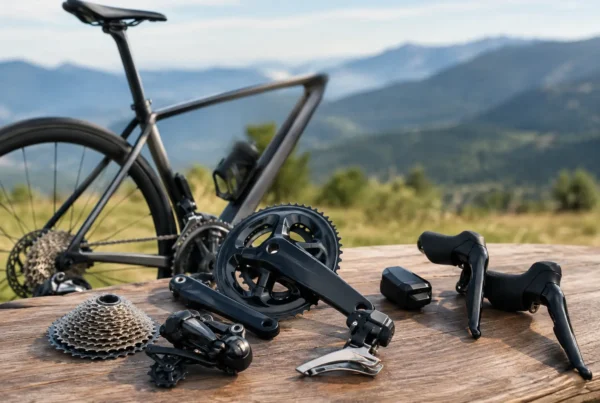
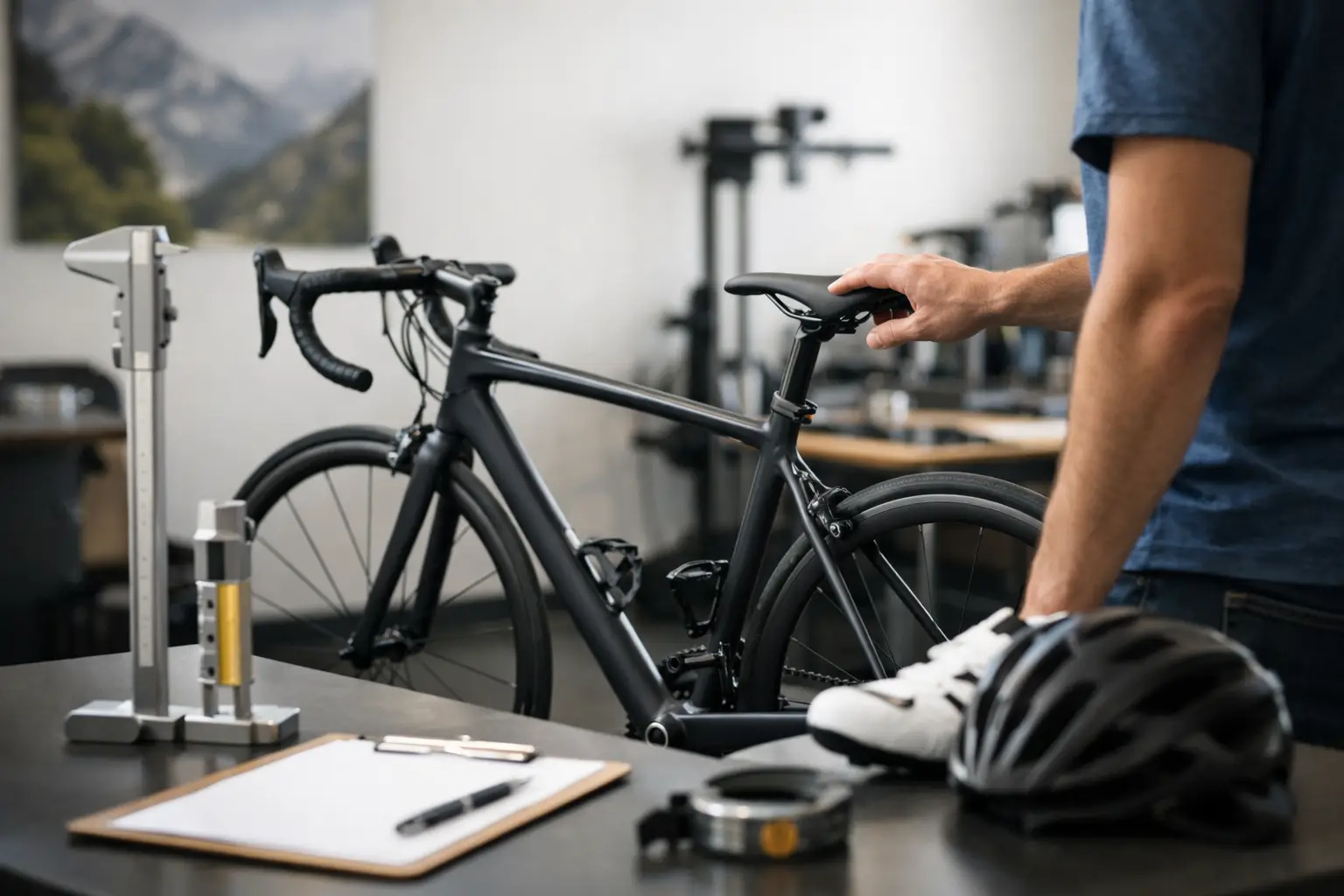
A fast bike only feels fast when you can hold the right position on it. If you are asking, what size bike frame do I need, start with fit rather than the number printed on a size label. A 56 cm road frame from one brand can feel noticeably longer, lower or more aggressive than a 56 from another. The right frame is the one that lets you produce power, breathe freely and stay in control for the whole ride.
For a premium road, gravel, mountain or triathlon bike, sizing is not a minor detail to settle after checkout. It is the foundation for every adjustment that follows – saddle height, stem length, handlebar drop, aerobar reach and cleat position.
What size bike frame do I need for my height?
Height is the most useful starting point, but it is not the final answer. Most manufacturers publish a size range based on rider height, typically using XS through XL or numbered road sizes such as 48, 51, 54, 56 and 58 cm. Use that range to identify your likely size, then assess the bike’s geometry before making a decision.
As a broad road-bike guide, riders around 160-168 cm often suit a 48-51 cm frame; 168-175 cm commonly fall around 51-54 cm; 175-183 cm often suit 54-56 cm; and 183-191 cm frequently land on 56-58 cm. These are ranges, not rules. A rider with a long torso and shorter legs may need a different size from someone of the same height with longer legs and shorter arms.
Do not assume your current bike proves your ideal size, either. It may be too large but made workable with a short stem, or too small with a long seatpost and a stretched-out front end. Those adjustments can mask a poor starting point.
Measure your inseam, then use it wisely
Your cycling inseam helps establish whether a frame has enough standover clearance and gives a useful reference for initial saddle height. Stand barefoot against a wall with a book held firmly between your legs, mimicking the pressure of a saddle. Measure from the floor to the top edge of the book in centimetres.
For traditional road frames, a rough calculation is inseam multiplied by 0.67 to estimate a nominal seat-tube size. Modern compact frames make that calculation less decisive because their sloping top tubes and exposed seatposts vary widely. It remains a useful cross-check, not a reason to ignore the manufacturer’s size chart and geometry table.
Standover should be comfortable rather than marginal. On a road or gravel bike, you generally want some clearance between the top tube and your body when standing flat-footed. Mountain bikes need more clearance because off-road riding involves more movement and more frequent dismounts. With a deeply sloping top tube, however, standover alone tells you very little about how the bike will feel while pedalling.
Compare stack and reach, not just frame size
Two geometry figures do most of the hard work when comparing modern performance frames: stack and reach.
Stack is the vertical distance from the bottom bracket to the top of the head tube. More stack gives a higher front end, which usually means a more upright, sustainable position. Less stack creates a lower, race-focused cockpit, provided your mobility and riding goals support it.
Reach is the horizontal distance from the bottom bracket to the top of the head tube. More reach creates a longer frame position; less reach brings the cockpit closer. It is more reliable than top-tube length because it is measured from a consistent reference point rather than being influenced by seat-tube angle.
If you are between sizes, compare these figures first. Choosing the smaller frame typically gives a shorter reach and lower stack. It can suit a rider who wants a compact, responsive feel or has shorter proportions. Choosing the larger frame usually offers more stack and a longer front end, which may better suit taller riders, those seeking comfort on long rides, or riders with long torsos.
There is a limit to what components can fix. A modest spacer change or 10 mm stem adjustment is normal. A tower of headset spacers, an extremely short stem or a seatpost pushed to its limit suggests the frame itself is not right.
Choose a fit for the bike you actually ride
The same rider may suit different sizes or positions across different cycling disciplines. That is not inconsistency – it is purposeful geometry.
Road bikes
Race-oriented road frames tend to have lower stack and sharper handling. If you race, ride quickly in a group and can comfortably maintain a low position, that may be exactly what you want. Endurance road frames have a taller front end and often a slightly shorter effective reach, making them easier to live with over four or five hours in the saddle.
Avoid sizing up simply to get the bars higher. A larger frame also lengthens reach and wheelbase. An endurance-focused model in your correct size may deliver the position you need without compromising handling.
Gravel and cyclocross bikes
Gravel fit often prioritises stability, comfort and room to move around the bike. Many riders use a marginally shorter reach than on a dedicated road race bike, particularly when running flared bars, a loaded bikepacking setup or technical terrain. Yet gravel is broad: a fast race bike for smooth tracks can be fitted far more aggressively than an all-day adventure machine.
Mountain bikes
For mountain bikes, reach, wheel size, dropper-post insertion and intended trail category matter more than a traditional seat-tube measurement. Modern trail and enduro bikes are designed around a centred standing position, and their longer reach can initially look surprising on paper. Follow the brand’s height guidance, then check whether the reach, standover and recommended rider range align with your build and riding style.
Triathlon and time trial bikes
TT and triathlon sizing deserves the most care. You are not simply fitting a frame beneath a rider – you are building a sustainable aerodynamic system around saddle position, pad stack, pad reach and hip angle. A frame that is technically your size may still be a poor choice if it cannot place the arm pads where you need them without awkward extensions or excessive spacers.
If you have a recent fit report, use its pad stack and pad reach figures to compare frames. If you do not, assess your flexibility, event distance and whether your priority is an aggressive short-course setup or a position you can hold for a full Ironman bike leg. Aerodynamics only pay off when you can maintain them.
Check the contact points before you commit
Frame size establishes the platform, but contact points decide whether that platform works. Start with saddle height and fore-aft position, then assess bar reach and drop. A correct saddle height allows efficient pedalling without rocking through the hips or locking the knee at the bottom of the stroke.
Handlebar width, crank length and saddle shape can also transform comfort without changing frame size. Narrower bars may suit riders chasing aero efficiency, while a wider or more flared setup can improve confidence off-road. Shorter cranks can help some riders maintain a closed aerodynamic position with less hip restriction, especially on triathlon bikes.
These details should refine a sound frame choice, not rescue a fundamentally wrong one. Be cautious of advice that says everyone should automatically size down for a racier look. A slammed stem is not a performance metric if it leaves you cramped, unstable or unable to put down power.
Buying a frame online with confidence
When purchasing online, begin with the manufacturer’s size chart for the exact model and model year. Geometry can change between generations, even when the frame name stays the same. Compare it with a bike that you know fits well, using stack, reach, saddle setback and bar position rather than just its labelled size.
Take clear measurements from your current setup: saddle height from bottom bracket to saddle top, saddle-to-bar drop, and saddle nose to bar centre. If your existing position is comfortable, these numbers provide valuable context. If it is uncomfortable, identify what is wrong before copying it onto a new bike.
At Trifit Bikes, specialist fit guidance is most useful when you provide your height, inseam, current bike size, riding discipline and any fit concerns. A rider choosing a race-ready aero frame needs a more detailed conversation than someone replacing a familiar endurance road bike, and that extra care is worthwhile on a significant purchase.
The best frame size should disappear beneath you. You should be able to settle into the drops, stand on the pedals, corner with confidence and finish a hard session without fighting the bike. Choose the geometry that supports the position and riding you want to sustain – then let the speed come from there.