If you have ever looked at a triathlon bike next to a road bike and thought the difference was mostly marketing, the first fast ride usually changes your mind. Why triathlon bikes are different has very little to do with looks alone and everything to do with speed, rider position, and what happens after you get off the bike and start running.
A triathlon bike is built for a specific job. It is designed to help you hold an aerodynamic position for long periods, save energy where it matters, and ride efficiently in non-drafting race conditions. That means the geometry, cockpit, frame shapes, storage solutions, and even the way the bike handles are all working towards a different outcome than a standard road bike.
Why triathlon bikes are different in real terms
The quickest answer is that triathlon bikes are designed around aerodynamics and sustained solo effort, while road bikes are designed to balance speed, climbing, comfort, and agile handling across a wider range of riding situations.
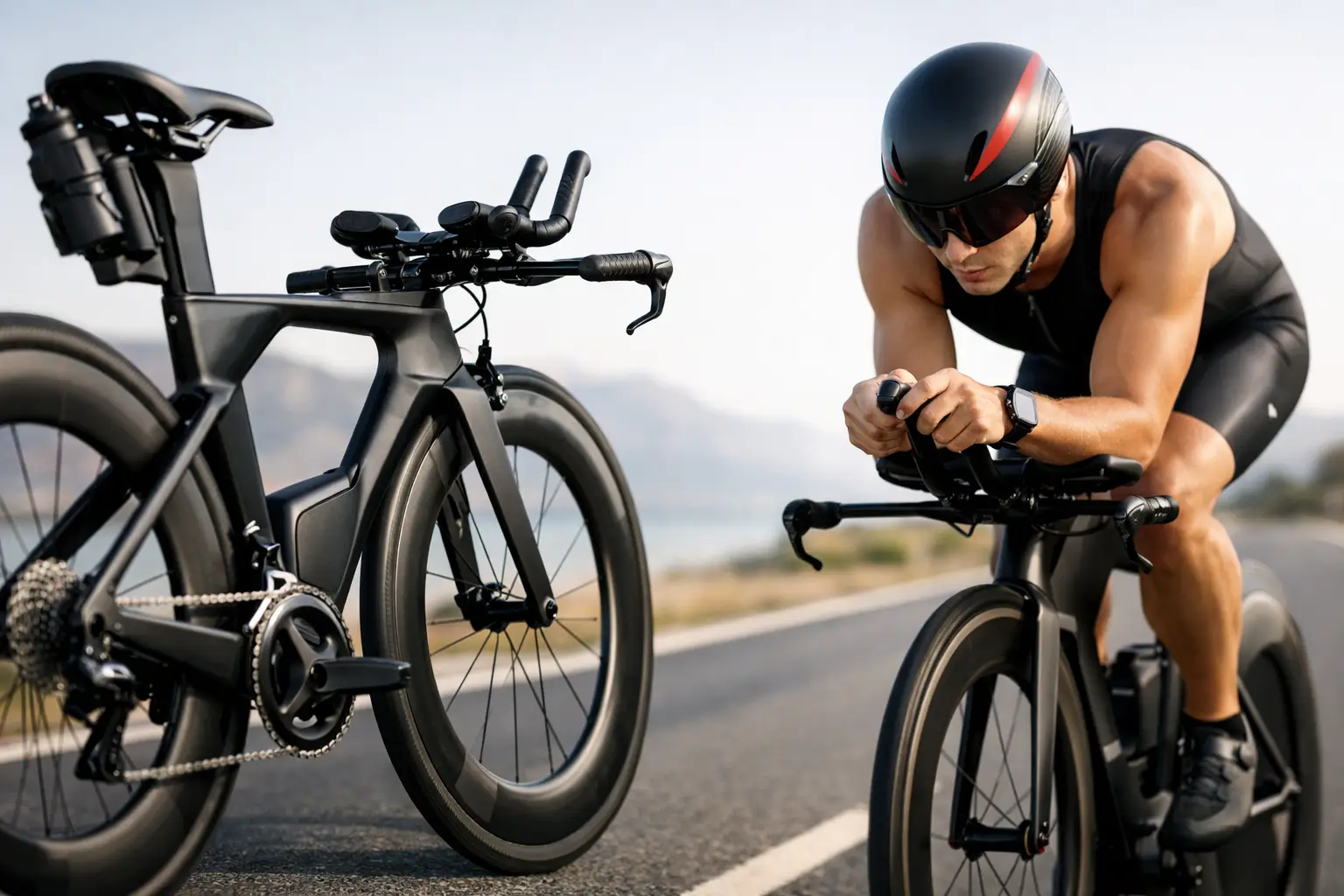
That sounds simple enough, but the effect on the ride is significant. On a tri bike, your body sits further forward, your torso is lower, and your frontal area is reduced. Since air resistance is the biggest force you fight once speed rises, that position can save meaningful time over race distance. It is not only about slicing through the wind. It is also about preserving your hips and legs for the run.
That is the part many riders miss at first. A triathlon bike is not just a faster road bike with aero bars fitted. It is a purpose-built machine designed for a bike leg that sits inside a multi-sport event.
The geometry is built around position
The biggest difference starts with fit and frame geometry. Triathlon bikes typically use a steeper seat tube angle than road bikes. In practice, that moves the rider further forward over the bottom bracket. The result is a position that can make it easier to stay aerodynamic while keeping power output consistent.
That forward position also changes how your muscles are loaded. By opening the hip angle while you are low at the front, a good tri setup can reduce some of the strain that a more traditional road position places on the hips and hamstrings. For triathletes, that matters because the race is not over when the bike leg ends.
Road bikes, by contrast, are set up for versatility. They need to feel stable when climbing out of the saddle, responsive through corners, and comfortable over changing terrain and pace. Their geometry reflects that broader brief.
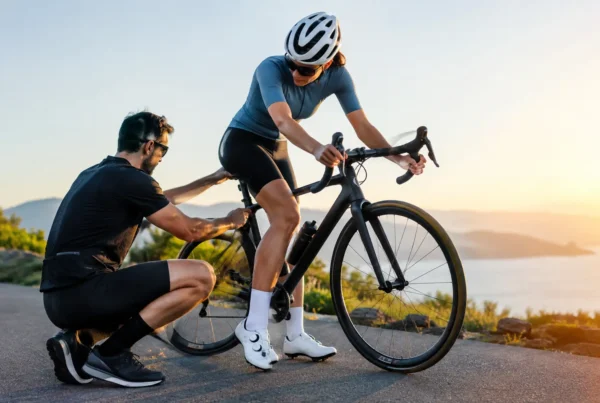
This is why bike fit matters so much more than many buyers expect. A top-level frame with the wrong stack, reach, or cockpit adjustment can feel compromised very quickly. A properly fitted triathlon bike should let you stay fast without constantly fighting the position.
Aero bars are not the whole story
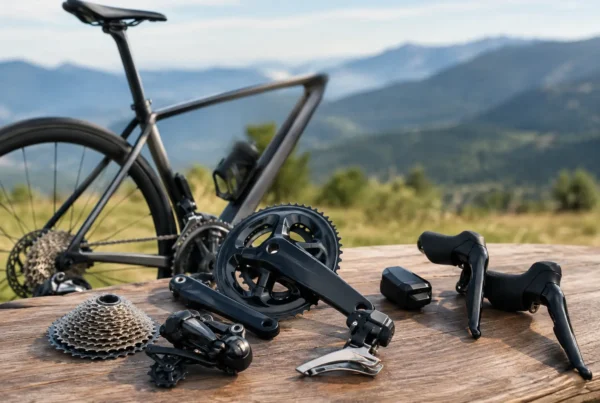
Some riders assume clip-on aero bars make a road bike effectively the same thing. They do not. Aero bars can improve your position, but a true triathlon frame is designed around that position from the ground up.
The front end, saddle placement, weight distribution, and tube profiles are all optimised together. Put simply, the frame expects you to ride on the extensions. That changes where your body sits and how the bike behaves underneath you.
Aerodynamics drive almost every design choice
If you want to understand why triathlon bikes are different, look at where the time savings come from. On flatter or rolling triathlon courses, aerodynamics usually matter more than shaving a few hundred grams from the frame.
That is why tri bikes often feature deep tube sections, integrated cockpits, hidden cabling, narrow frontal profiles, and wheel clearances designed around speed-focused setups. Many also include integrated hydration and storage because a bottle hanging in the wrong place can add drag, while a well-designed system can keep nutrition accessible without disrupting airflow.
These details are not there for showroom appeal. They exist because small aero gains become large over 40km, 90km, or 180km. For a serious rider, those gains are often more valuable than a bike that feels slightly livelier on a steep climb.
There is, however, a trade-off. Aero optimisation can make tri bikes less forgiving in crosswinds and less convenient for day-to-day riding. Integrated systems look excellent and perform well, but they can require more thought when adjusting fit, packing for travel, or changing components.
Handling is different because the job is different
Triathlon bikes are usually less agile than road bikes, and that is not a flaw. It is a deliberate choice.
A road race or fast club ride asks for quick accelerations, bunch riding confidence, and sharp cornering responses. A triathlon bike is designed for steady, efficient speed in a straight line, often with the rider settled into the aero position for long stretches. Stable handling at speed is a bigger priority than nimble reactions.
That means the steering can feel calmer, especially to riders coming from an all-round road bike. Some adapt immediately. Others need a few rides before the bike starts to feel natural. Either way, it is worth respecting the learning curve. Fast equipment performs best when the rider is comfortable enough to use it properly.
Why they are not ideal for every ride
A tri bike makes sense when your riding goal matches the bike’s purpose. For solo efforts, triathlon racing, and time trial style training, they are extremely effective. For technical descents, bunch rides, stop-start city routes, or mixed terrain, a road bike is usually the better tool.
This is where honest buying decisions matter. If most of your riding is general road cycling with the occasional triathlon, a road bike with an adaptable fit may be the smarter choice. If you are targeting PBs, middle-distance racing, or long non-drafting events, a dedicated triathlon bike starts to earn its keep.
Comfort on a tri bike means something different
People often talk about comfort as if it means soft, upright, and relaxed. On a triathlon bike, comfort means sustainable performance.
A well-fitted tri bike should allow you to stay in your aero position without constant tension in the neck, shoulders, lower back, or hips. That does not mean it feels like a sportive bike. It means the position is efficient enough to hold for race duration.
This distinction matters because discomfort costs speed. If you keep sitting up, shuffling around, or reaching awkwardly for hydration, the theoretical aero advantage starts disappearing. The right bike is the one that helps you maintain speed for the whole event, not just the first twenty minutes.
Storage, hydration and race practicality matter more than on road bikes
Triathlon bikes are often better integrated for race use than standard road bikes. Nutrition, hydration, repair storage, and on-bike fuelling are not afterthoughts. They are part of the design brief.
That is useful because race-day speed is not just about watts. It is also about execution. Grabbing nutrition easily, carrying what you need cleanly, and reducing interruptions all help maintain momentum. Premium tri bikes increasingly build these solutions into the frame and cockpit, which keeps the setup cleaner and often more aerodynamic too.
For buyers comparing models, this is one of the most practical details to assess. A bike may test well in pure aero terms, but if the storage is awkward or the hydration setup does not suit your race habits, it may be less effective in the real world.
The best choice depends on how you race
There is no single answer for every rider, and that is where buying with fit and use in mind becomes essential. Sprint triathletes on technical courses may prioritise confidence and handling. Long-course athletes may care more about staying aero for hours. Riders crossing over from road racing may need time to adapt to the front-end position and the calmer steering.
Budget matters too. A premium triathlon bike can deliver serious performance, but only if the rider can hold the position and make use of the aero design. In some cases, a well-specced road bike with a smart fit strategy is a better starting point than stretching for a tri frame that is not quite right.
For experienced athletes, though, the difference is very real. Once fit, fuelling, and race setup are dialled in, a dedicated triathlon bike can feel purpose-built in the best sense of the word. It stops asking you to compromise and starts supporting the exact demands of your event.
That is the real answer to why triathlon bikes are different. They are not trying to be everything. They are built to help you go fast alone, stay efficient, and arrive at T2 ready to run. If that is your goal, choosing a proper triathlon bike is not a cosmetic upgrade. It is a performance decision worth getting right.